
A Complete Guide to Hay Sales: What to Look For and Why It Matters
When it comes to purchasing hay, there are many factors to consider to ensure you get the best quality for your livestock or agricultural needs. Understanding the different types of hay, how to evaluate its quality, and what to avoid can make a significant difference in the health and productivity of your animals.
Understanding Different Types of Hay
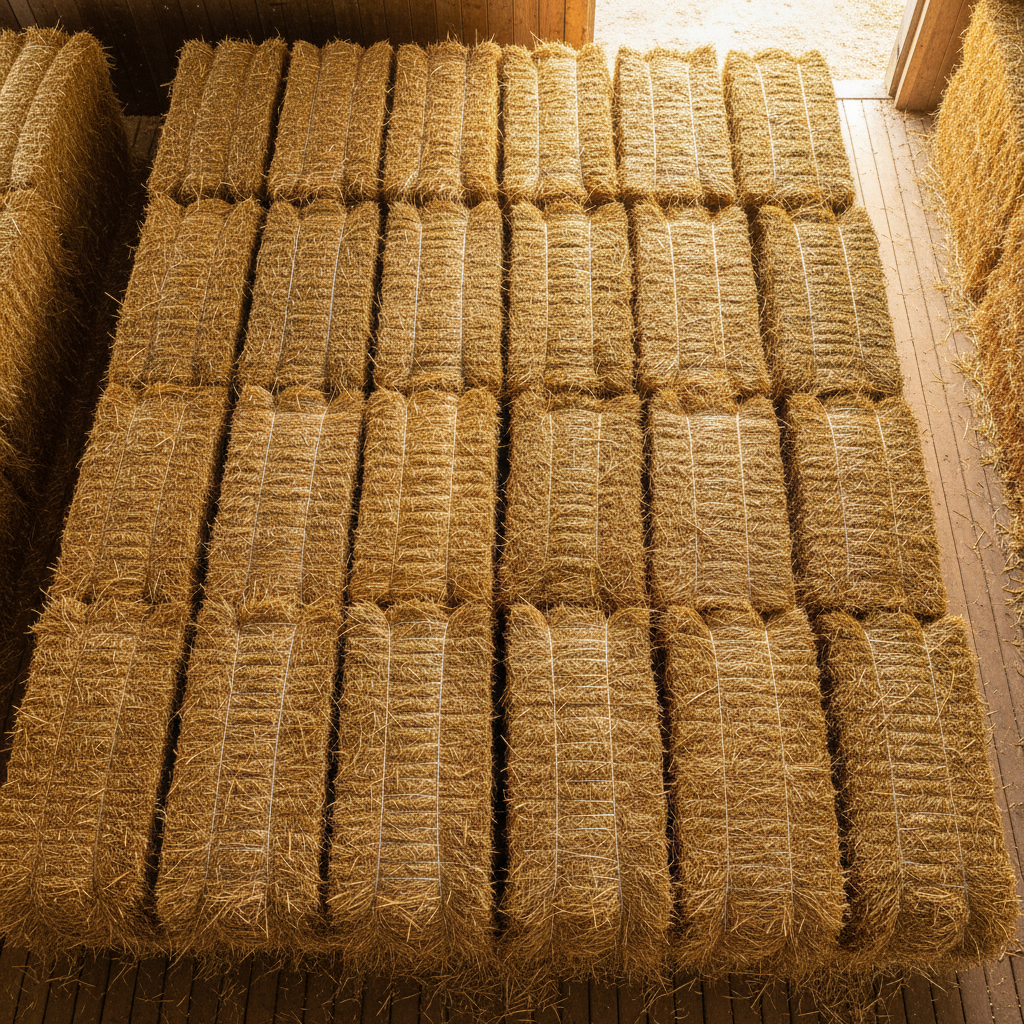
Hay comes in various forms, each with unique characteristics suited for different animals. The most common types of hay include alfalfa, timothy, and grass hay. Alfalfa hay is rich in protein and energy, making it ideal for high-performance animals. Timothy hay is popular for its balanced nutrition and is often used for horses. Grass hay is versatile and suitable for a wide range of animals.
Choosing the Right Type for Your Needs
Selecting the right type of hay depends on the specific nutritional requirements of your animals. For example, dairy cows benefit from alfalfa hay due to its high calcium content, while timothy hay is preferred for adult horses that require a lower protein intake.
Evaluating Hay Quality
Quality is paramount when purchasing hay. It affects not only the health of your animals but also your overall costs. Start by checking the color of the hay. Bright green indicates good quality, while yellow or brown may suggest poor nutrient content. Smell is another important factor; fresh hay should have a pleasant aroma without any mustiness or mold.
Texture and Leafiness
The texture of hay should be soft and pliable. Stiff or brittle hay often means it's too mature or overly dry. Leafiness is crucial, especially in alfalfa hay, as the leaves contain most of the nutrients. Look for hay that retains its leaves and shows minimal shattering.

Understanding Hay Pricing
Pricing can vary significantly depending on the type, quality, and availability of hay. It’s important to consider the cost per nutrient rather than just the cost per bale. High-quality hay may seem expensive initially, but it often proves more economical by reducing the need for additional supplements.
Buying in Bulk
Purchasing hay in bulk can lead to substantial savings. However, ensure you have adequate storage facilities to maintain its quality. Proper storage should be dry, well-ventilated, and protected from pests.

Common Mistakes to Avoid
One common mistake is buying hay solely based on price. While budget is important, compromising on quality can lead to higher veterinary bills in the long run. Additionally, always inspect the hay before purchase. Never rely solely on visual inspection; always check for hidden mold or dust.
By understanding what to look for in hay sales, you can make informed decisions that benefit your livestock and your bottom line. Quality hay not only supports animal health but also enhances productivity, making it a worthwhile investment.