
Debunking Myths About Wagyu Beef and Sustainable Farming
Understanding Wagyu Beef
Wagyu beef is often surrounded by numerous myths and misconceptions. Known for its rich marbling and tenderness, Wagyu is a staple of luxury dining. However, its production and sustainability aspects are often misunderstood. In this blog post, we aim to debunk some of the common myths associated with Wagyu beef and explore its relationship with sustainable farming practices.

Myth 1: All Wagyu Beef is the Same
One of the most pervasive myths is that all Wagyu beef is created equal. In reality, Wagyu is a breed of cattle, and its quality can vary significantly. Authentic Japanese Wagyu is often considered the highest grade, but other countries, including the United States and Australia, have developed their own Wagyu breeds. These variations can lead to differences in flavor, texture, and marbling.
Myth 2: Wagyu Cattle Are Unethically Raised
There is a misconception that Wagyu cattle are subjected to inhumane treatment to enhance their marbling. However, reputable Wagyu farms prioritize the health and well-being of their cattle. Ethical farming practices ensure that cattle are raised in stress-free environments, which contributes to the quality of the beef.
Sustainability in Wagyu Farming
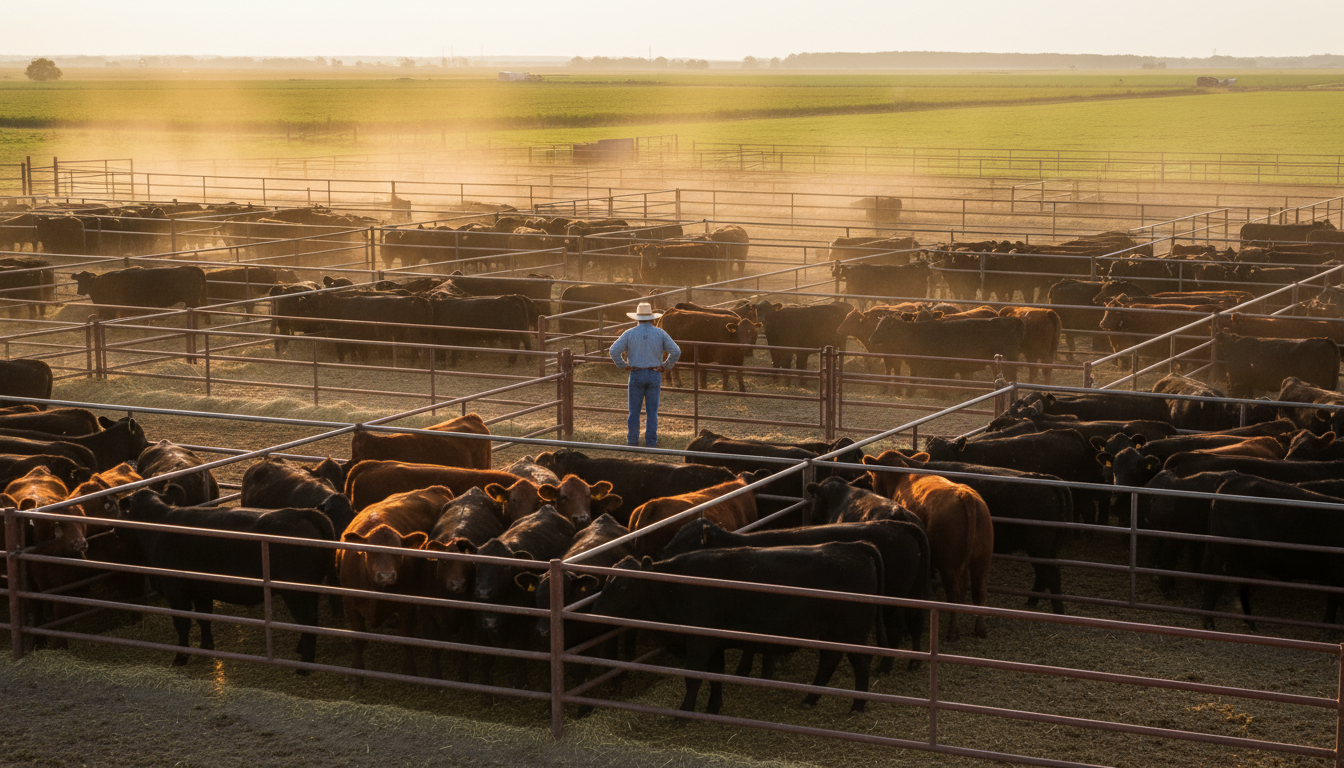
Many people question the sustainability of Wagyu beef production. While it is true that Wagyu farming can have a significant environmental impact, efforts are being made to enhance sustainability. By adopting innovative farming techniques, producers are working to reduce the carbon footprint associated with Wagyu production.
Efforts Toward Sustainable Practices
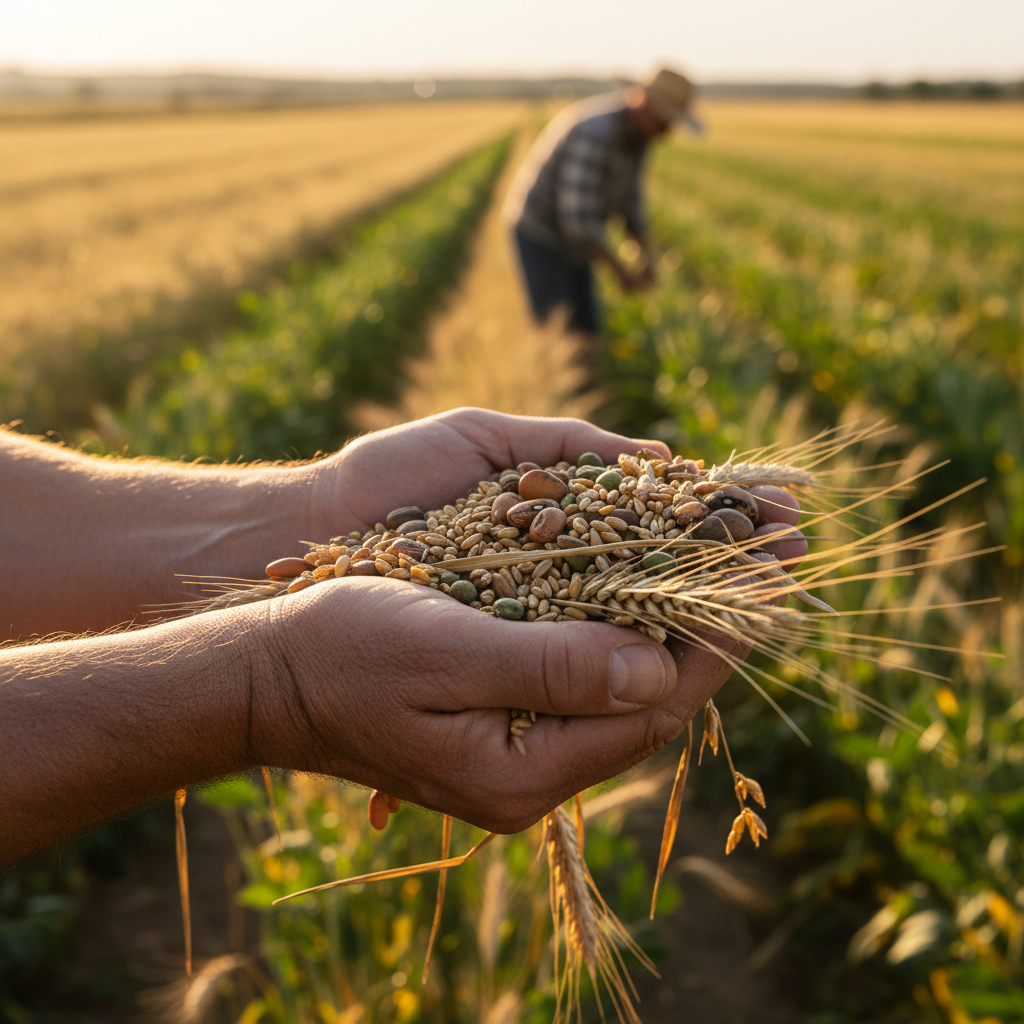
Several Wagyu producers are implementing sustainable practices such as rotational grazing, which helps preserve soil quality and reduce overgrazing. Additionally, some farms are focusing on regenerative agriculture, which aims to restore ecosystems and improve biodiversity.
Consumer Choices and Sustainability
Consumers play a crucial role in promoting sustainable Wagyu farming. By choosing to purchase beef from farms that prioritize ethical and sustainable practices, they can help drive demand for more environmentally friendly products. Look for certifications or labels that indicate sustainable and humane practices when selecting Wagyu beef.
Conclusion
Debunking myths about Wagyu beef and understanding sustainable farming practices can help consumers make informed choices. By supporting farms that prioritize ethical treatment and sustainability, we can enjoy Wagyu beef while also contributing to a healthier planet. The next time you savor a piece of Wagyu, remember the journey it took to reach your plate and the efforts to make it sustainable.