
How to Choose the Best Beef for Your BBQ: A Texas Rancher's Guide
Understanding Beef Cuts
When it comes to BBQ, the cut of beef you choose can make or break your meal. Knowing the different cuts and their characteristics is crucial. The most popular cuts for BBQ are brisket, ribs, and steaks. Each has its unique flavor and texture, suitable for different styles of cooking.
Brisket is a favorite in Texas BBQ. It's a tougher cut that requires slow cooking to bring out its tenderness and rich flavor. Ribs, especially beef ribs, are also popular and provide a juicy, flavorful experience. Steaks, such as ribeye or T-bone, are perfect for grilling due to their marbling and tenderness.
Marbling Matters
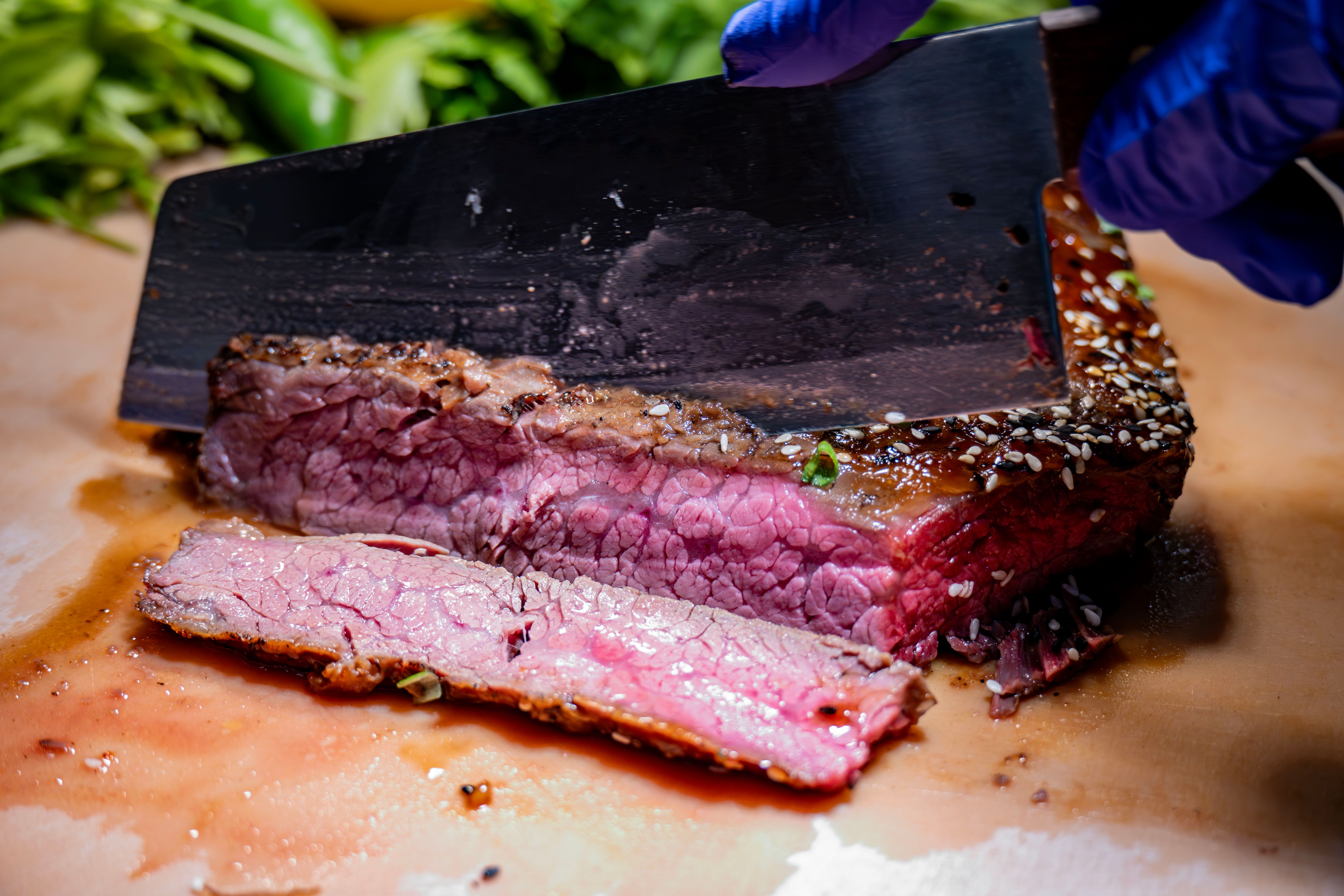
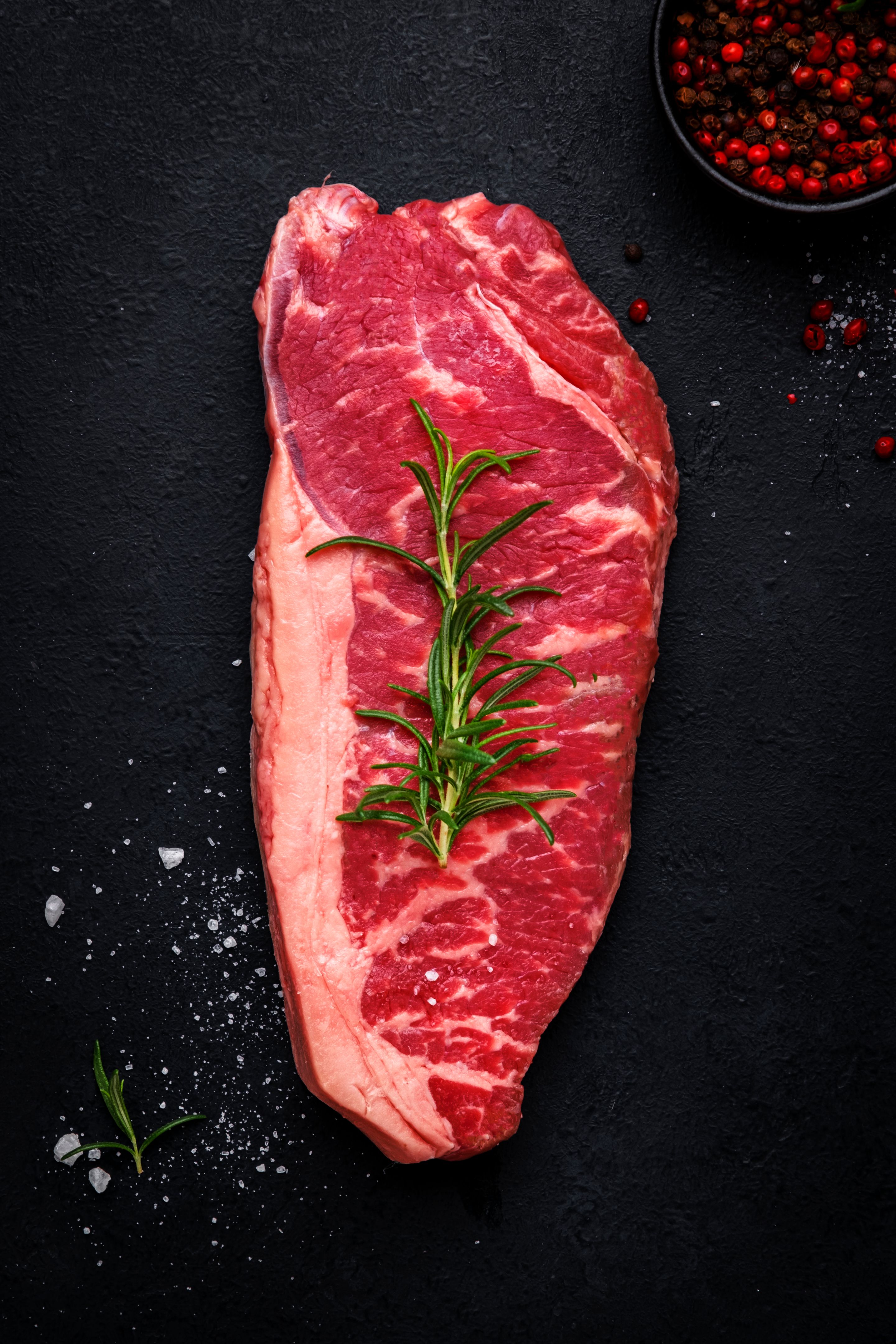
Marbling refers to the white flecks of fat within the meat. This fat melts during cooking, adding flavor and keeping the meat juicy. When selecting beef, look for cuts with good marbling. USDA Prime and Choice are excellent grades that indicate quality marbling.
For the best BBQ experience, aim for a balance between lean and marbled cuts. Too much fat can lead to greasy meat, while too little can result in dryness. Understanding the balance is key to a successful BBQ.
Grass-Fed vs. Grain-Fed
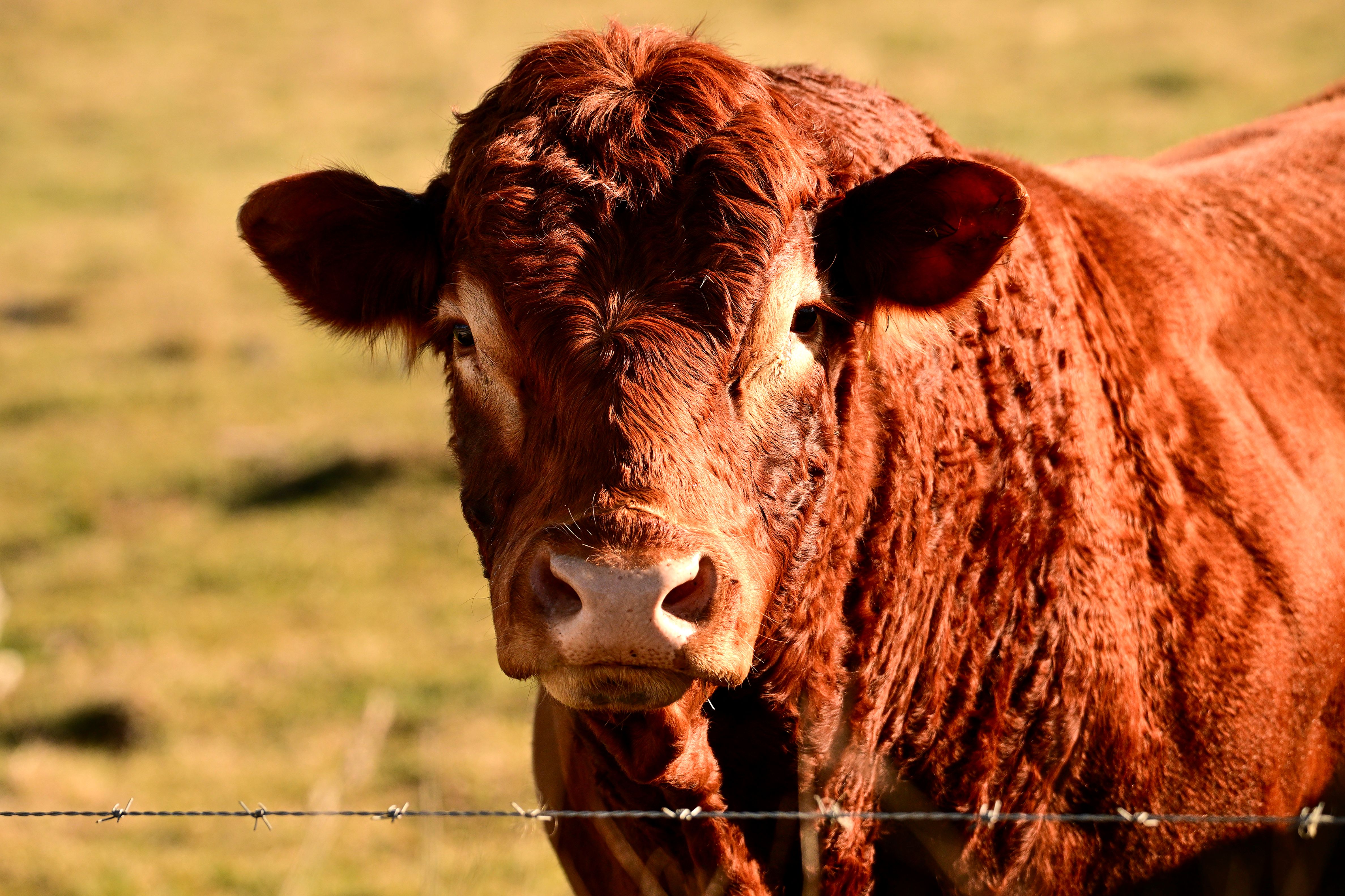
One of the first decisions you’ll need to make is whether to opt for grass-fed or grain-fed beef. Grass-fed beef is leaner, with a distinct flavor and higher levels of omega-3 fatty acids. On the other hand, grain-fed beef is known for its richer taste and tenderness due to the higher fat content.
In Texas, both options are celebrated, but grain-fed is often preferred for its juicy texture and superior marbling, making it ideal for BBQ. Consider your personal taste preferences and nutritional goals when making this choice.

Local Ranches and Sourcing
Supporting local ranches not only boosts the community but often ensures fresher, higher-quality beef. Many Texas ranches pride themselves on sustainable practices and humane treatment of cattle, leading to premium beef products. Visit local farmers' markets or directly connect with ranchers to source your BBQ beef.
By choosing locally sourced beef, you’re likely to enjoy a fresher product. Additionally, you can often learn more about the specific farming methods used, allowing you to make an informed choice.
Preparation Tips
Once you’ve selected the perfect cut of beef, preparation is the next step. Seasoning is crucial; a simple rub of salt, pepper, and garlic often suffices, allowing the natural flavors to shine. For tougher cuts like brisket, consider marinating to enhance tenderness.
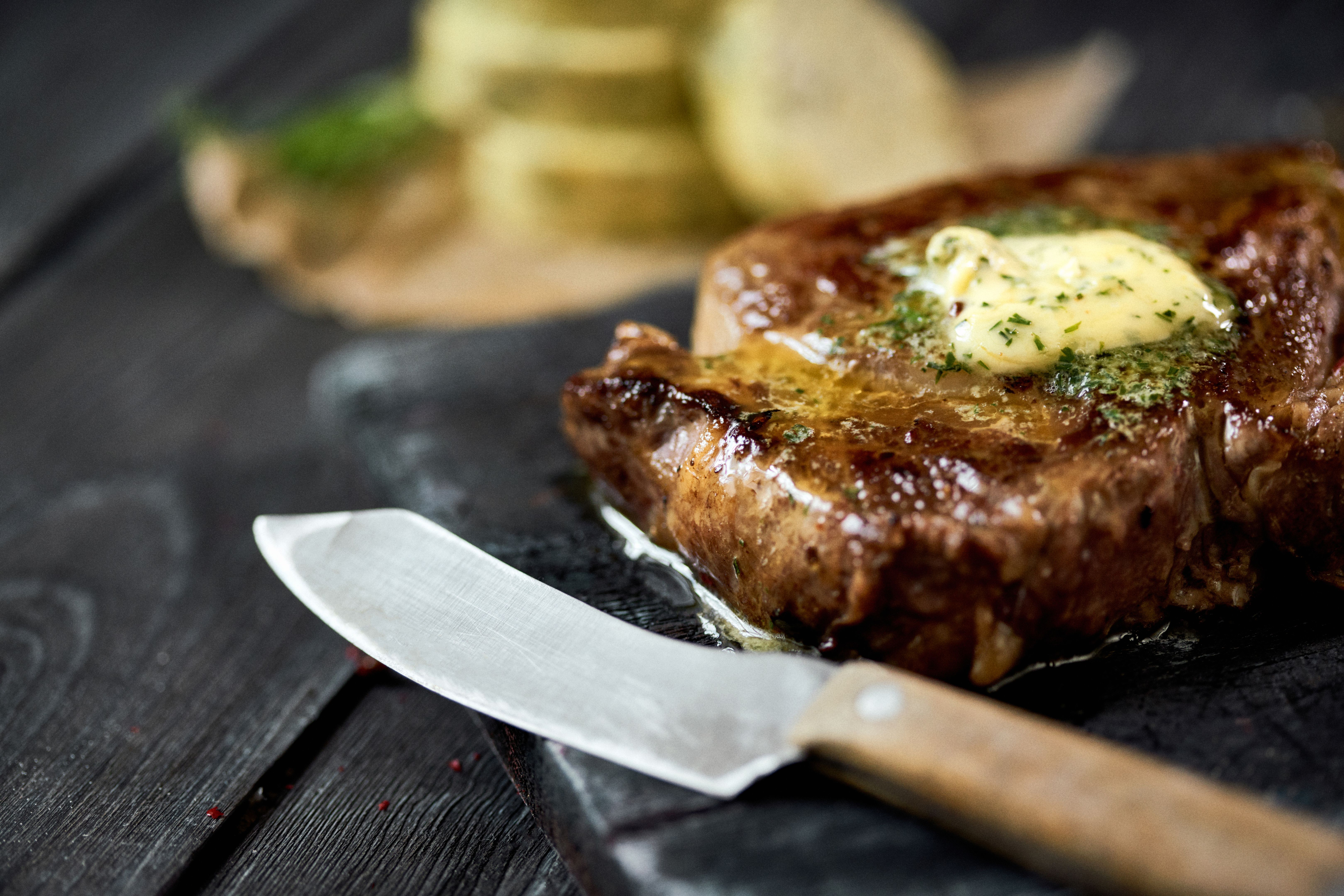
Proper cooking techniques are also essential. Low and slow cooking methods are ideal for larger cuts, allowing the meat to absorb flavors and become tender. For steaks, a quick sear on high heat locks in juices and creates a delicious crust.
Conclusion
Choosing the best beef for your BBQ involves understanding cuts, marbling, and feeding practices. By selecting high-quality, locally sourced beef, and preparing it with care, you’ll ensure a memorable BBQ experience. Whether you’re a seasoned pitmaster or a BBQ novice, these tips from a Texas rancher will guide you to success.