
How to Choose the Best Hay Services for Your Farm
Understanding Your Farm's Needs
Choosing the best hay services for your farm begins with understanding your specific needs. Consider the type and number of livestock, as well as their dietary requirements. Different animals may require distinct types of hay, such as alfalfa or timothy. Additionally, factor in the seasonal climate and soil conditions, which can influence the quality and type of hay suitable for your farm.
Quality of Hay
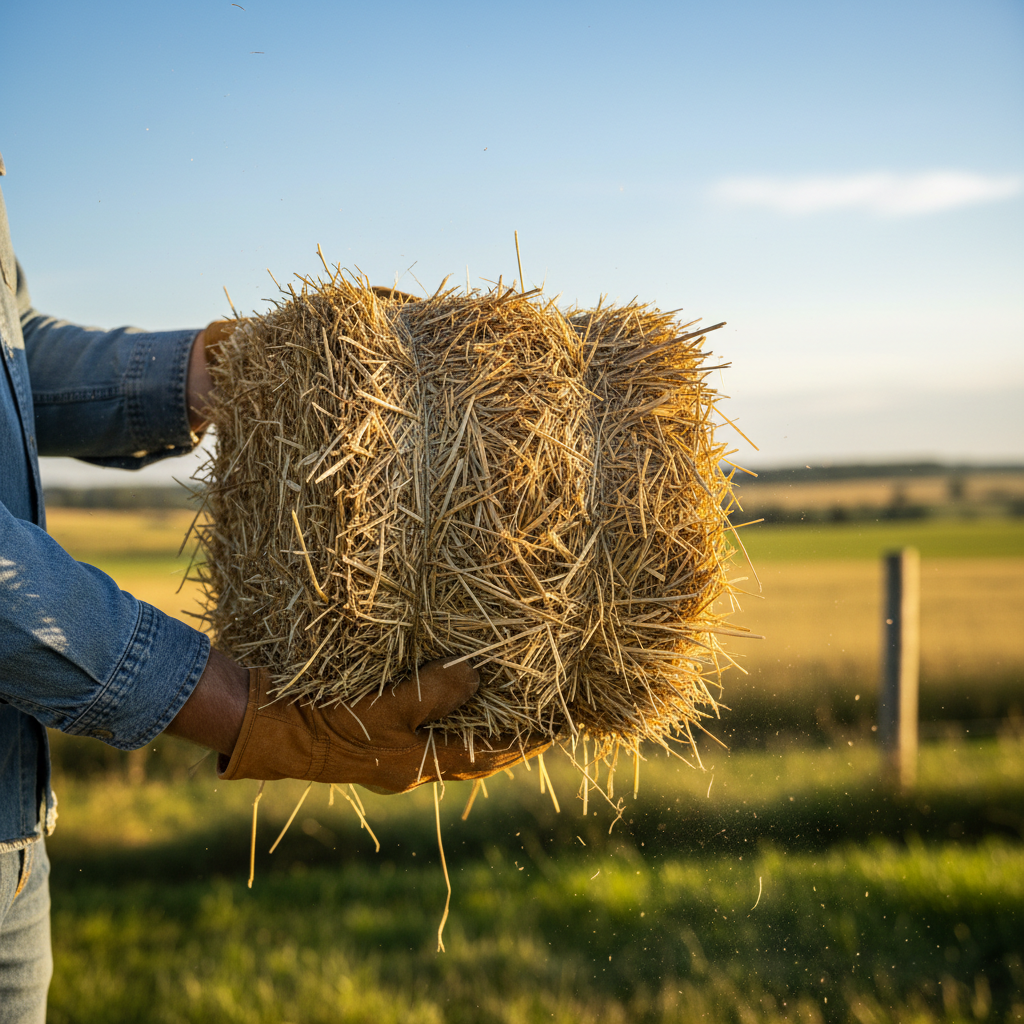
The quality of hay is crucial for the health and productivity of your livestock. High-quality hay should be green, leafy, and free of mold or dust. It should have a pleasant aroma and be free from foreign objects. Always request a sample before purchasing large quantities, and if possible, conduct a visual and tactile inspection to ensure the hay meets your standards.
Supplier Reputation and Reliability
Researching potential hay suppliers is an important step in securing quality hay services. Look for suppliers with a solid reputation in the industry. You can check online reviews, ask for references, or consult with fellow farmers. A reliable supplier will deliver hay consistently and on time, which is critical to maintaining your farm operations.
Cost Considerations
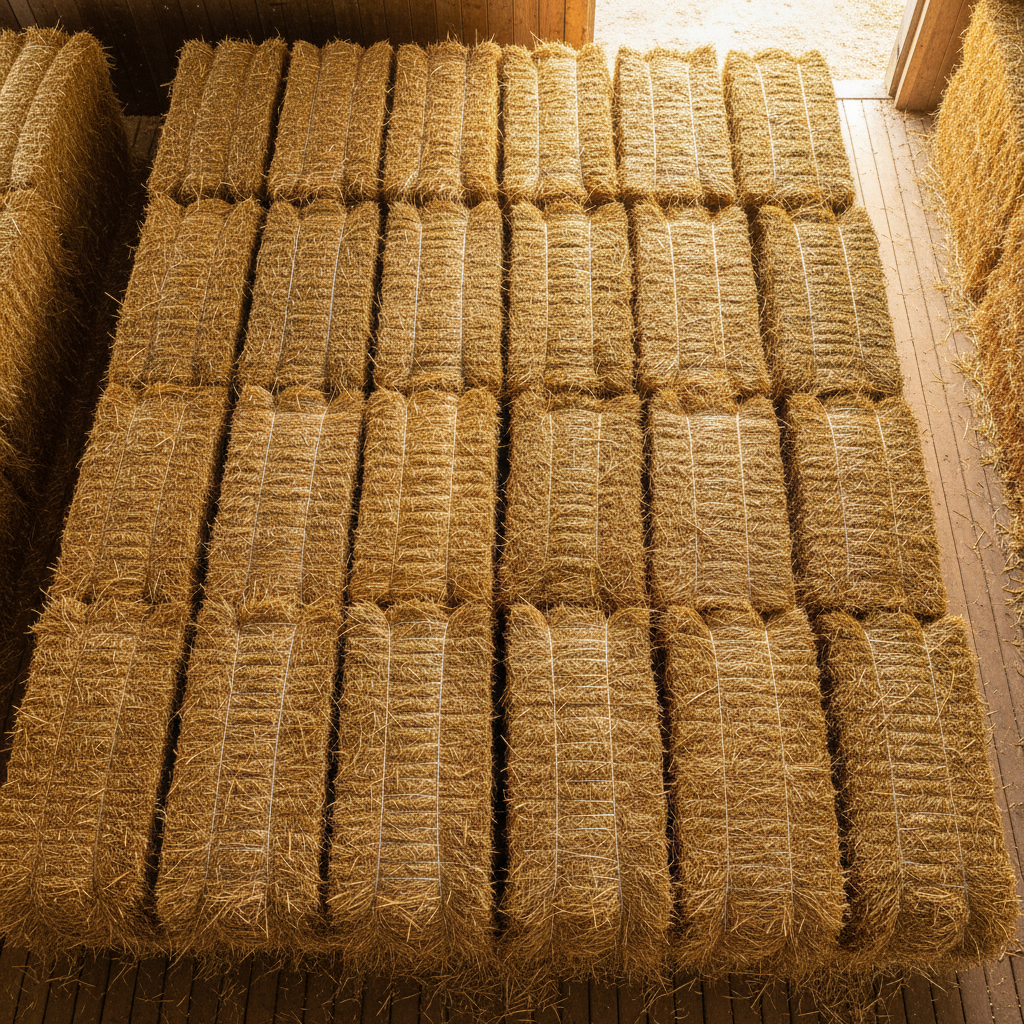
While price is an important factor, it should not be the sole determinant in choosing a hay service. Consider the cost in relation to the quality of hay and the reliability of the supplier. Sometimes, paying a slightly higher price for superior quality or dependable service can save money in the long run by preventing health issues in livestock.
Service Flexibility and Customization
Flexibility in service is another key consideration. Some farms may need customized hay blends or specific delivery schedules. Discuss your requirements with potential suppliers to see if they can accommodate your needs. A supplier willing to tailor their services might be more beneficial to your farm in the long run.
Delivery and Storage Options
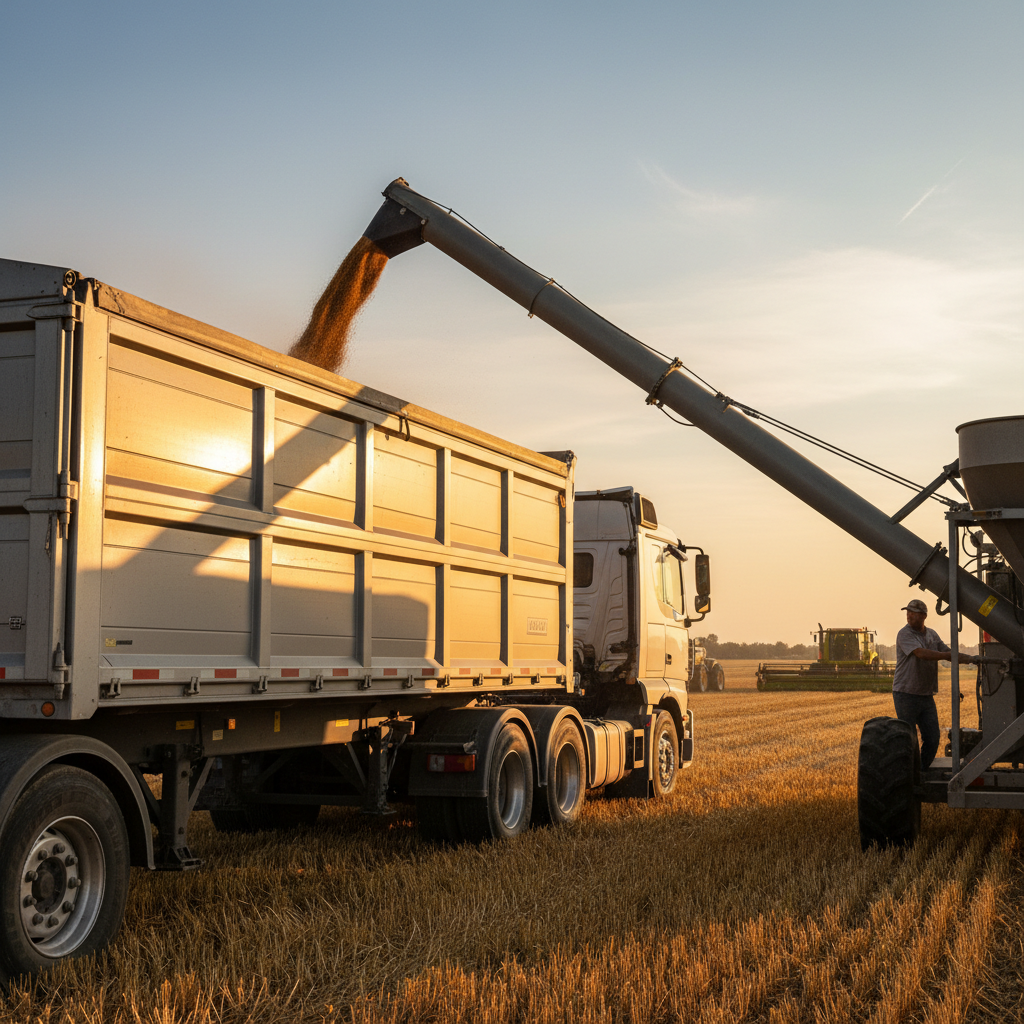
Consider the logistics of delivery and storage when selecting hay services. Ensure that the supplier can deliver hay to your location and that you have appropriate storage facilities to keep the hay dry and protected. Some suppliers may offer storage solutions or advice, which can be an added benefit.
Building Long-term Relationships
Finally, developing a long-term relationship with your hay supplier can be advantageous. This relationship can lead to better deals, priority service, and a deeper understanding of your farm's needs. A good partnership is mutually beneficial and can contribute greatly to the success of your farming operations.