
How to Choose Top Quality Beef Cuts: A Rancher's Guide
Choosing top quality beef cuts can make a significant difference in the flavor, tenderness, and overall enjoyment of your meals. As a rancher, understanding how to select the best cuts is essential. This guide will provide you with insights into the art of choosing premium beef.
Understanding Beef Grades
One of the first things to consider when selecting beef is the grade. Beef grading is conducted by the USDA and reflects the quality of the meat based on marbling and age. The most common grades are Prime, Choice, and Select.
- Prime: Known for its abundant marbling, Prime beef is the top quality and is often found in high-end restaurants.
- Choice: Slightly less marbled than Prime but still high quality, Choice beef is versatile and widely available.
- Select: Leaner than the other two grades, Select beef can be less tender but is a budget-friendly option.
Identifying the Best Cuts
The Importance of Marbling
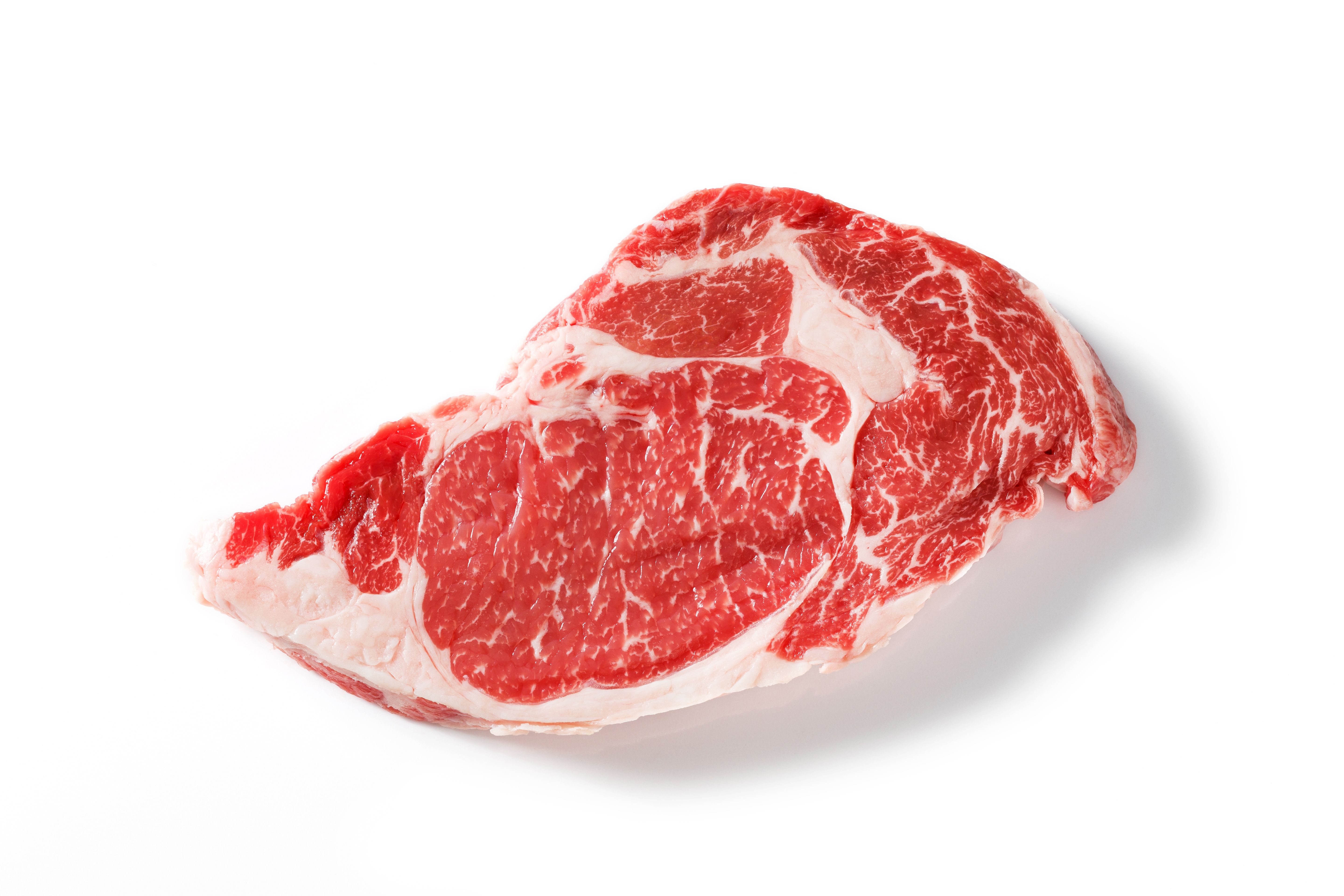
Marbling refers to the white flecks of fat within the muscle and is a key factor in determining the flavor and juiciness of beef. Look for cuts with fine, evenly distributed marbling to ensure a rich taste.
Popular Cuts to Consider
Different cuts offer varying textures and flavors. Here are some popular options:
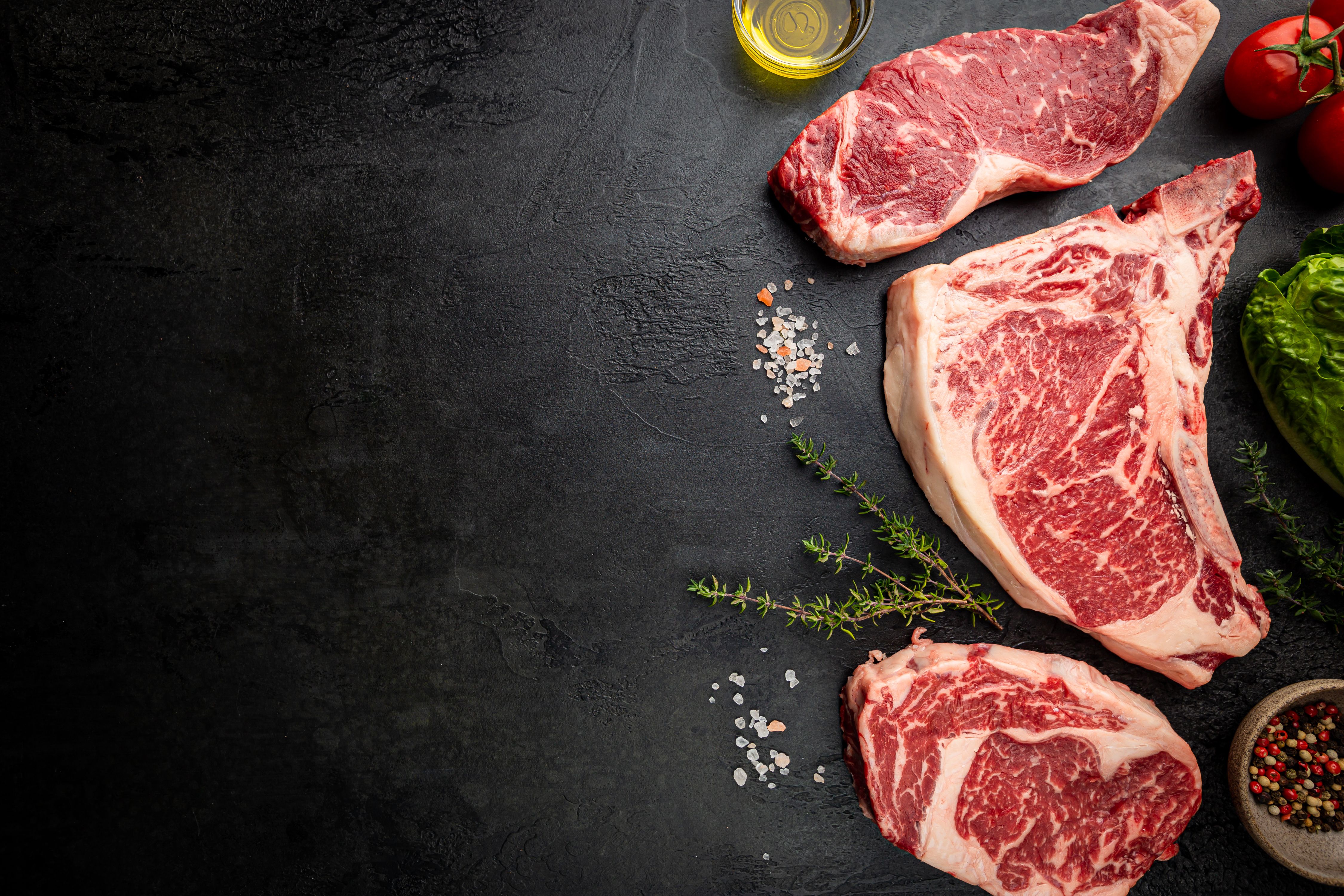
- Ribeye: Known for its tenderness and rich flavor due to high marbling.
- Tenderloin: Also known as filet mignon, it is the most tender cut.
- Sirloin: Offers a balance of tenderness and flavor, suitable for grilling.
Shopping Tips for Quality Beef
Check the Color and Texture
When selecting beef, pay attention to the color and texture. Fresh beef should have a bright, cherry-red color with a firm texture. Avoid meat that is brownish or has a slimy feel.
Consider the Source
Knowing where your beef comes from can provide assurance of its quality. Consider purchasing from local ranches or reputable suppliers who prioritize ethical farming practices.

Storing and Cooking Tips
Once you've selected your beef, proper storage is crucial to maintaining its quality. Keep beef refrigerated and use it within a few days for the best taste. For longer storage, freezing is an option, but be sure to wrap it tightly to prevent freezer burn.
When cooking, allow the beef to reach room temperature before starting. This ensures even cooking. Use a meat thermometer to achieve the desired doneness, whether you prefer rare, medium, or well-done.
By understanding these aspects of beef selection, you can confidently choose the best cuts for your needs. Whether you're grilling, roasting, or pan-searing, the right beef cut can elevate any dish.