
How to Prepare Your Horse for Seasonal Changes: A Comprehensive Guide
Understanding Seasonal Changes
As the seasons change, so do the needs of your horse. Recognizing these shifts is crucial for maintaining your horse's health and comfort. Seasonal changes can affect everything from your horse's diet to its coat. By understanding these transitions, you can better prepare and care for your equine friend.

Adjusting Nutrition for Different Seasons
Nutrition is a key factor when preparing your horse for seasonal changes. In winter, horses may require more calories to maintain body heat, while in summer, hydration and electrolyte balance become more important. Consult with a veterinarian to adjust feed and supplements according to the season’s demands.
Grooming and Coat Care
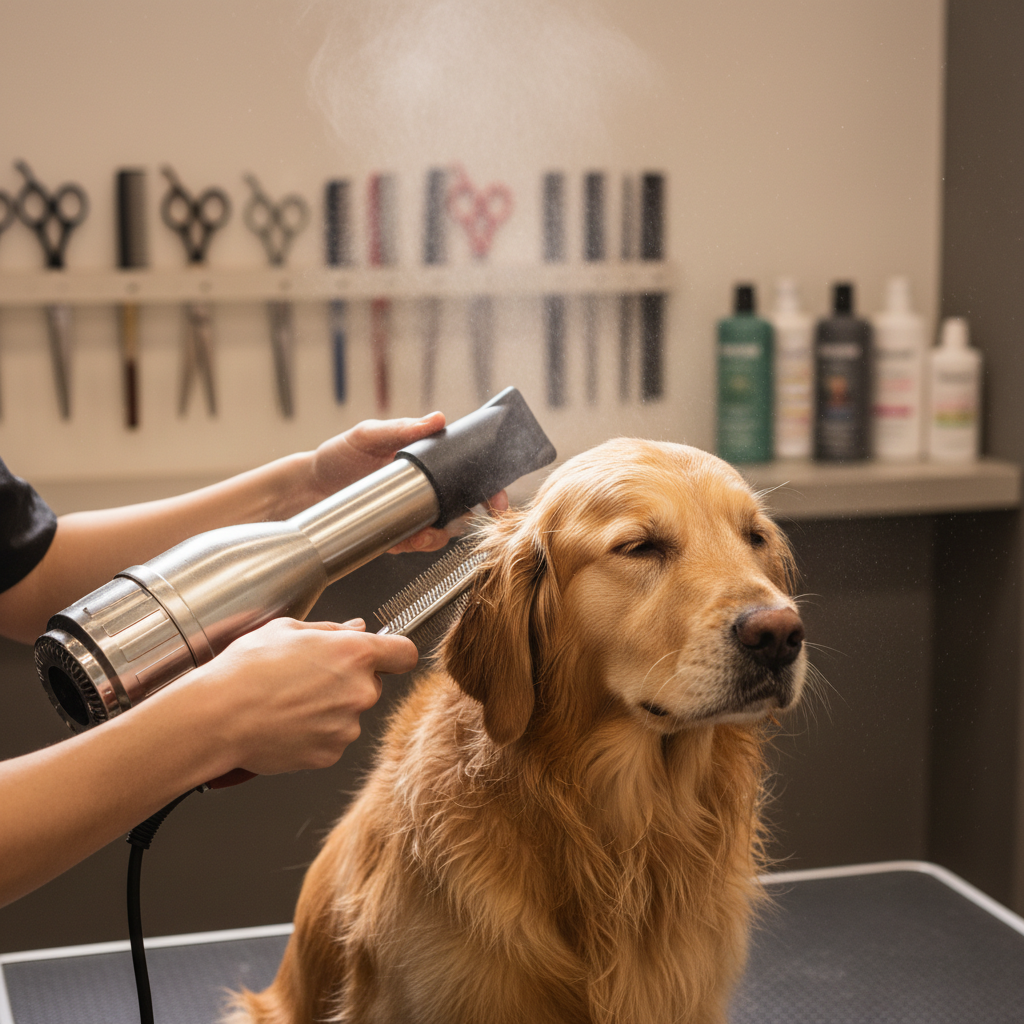
As temperatures drop, your horse's coat will naturally thicken. Regular grooming helps manage this transition by preventing matting and promoting circulation. In warmer months, shedding becomes a priority, and daily brushing can help remove excess hair and keep your horse cool.
Clipping and Blanketing
Deciding whether to clip or blanket your horse depends on the climate and your horse's specific needs. Clipping can help regulate body temperature during exercise, while blanketing provides warmth and protection against the elements. Evaluate your horse's living conditions to make informed decisions.
Exercise and Training Adjustments
Exercise routines may need to change with the seasons. In winter, icy conditions can limit outdoor activities, necessitating indoor alternatives or reduced intensity workouts. Meanwhile, summer heat may require early morning or late evening sessions to avoid overheating.

Monitoring Health and Wellness
Regular health checks are essential during seasonal transitions. Keep an eye on your horse's weight, hoof condition, and overall demeanor. Seasonal changes can exacerbate existing health issues or introduce new challenges, so being proactive can prevent complications.
Maintaining Pasture and Shelter
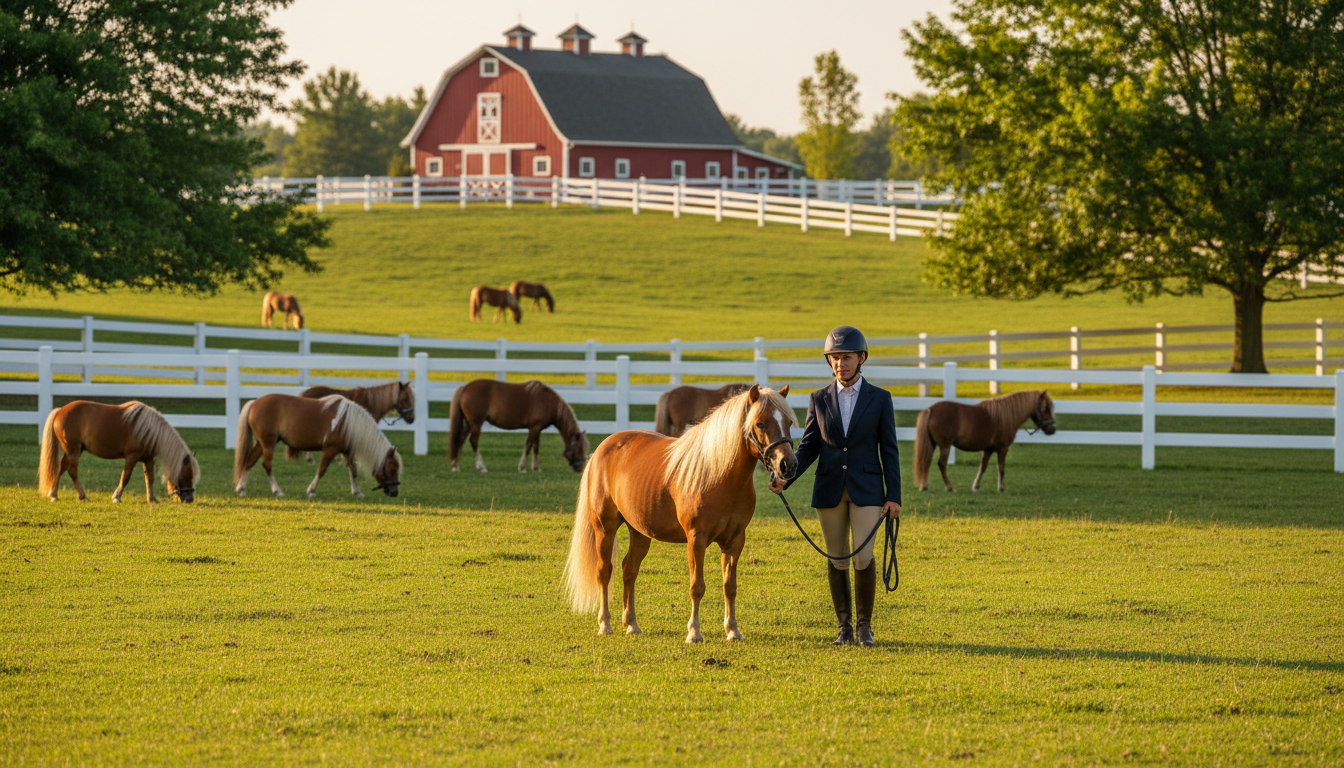
Your horse's environment should also adapt to seasonal variations. Ensure that pastures are safe and that shelters are well-maintained. In winter, inspect fencing for damage from ice and snow, and during summer, provide adequate shade and water sources.
Conclusion: Staying Informed and Prepared
Preparing your horse for seasonal changes requires attention to detail and a proactive approach. By adjusting nutrition, grooming, exercise, and the living environment, you can ensure your horse remains healthy and content throughout the year. Stay informed and consult with professionals to tailor your care strategies effectively.