
How to Select Top-Quality Hay for Your Livestock
Understanding the Importance of Quality Hay
For livestock owners, selecting top-quality hay is crucial to ensure the health and productivity of their animals. Hay is a primary source of nutrition, and its quality can significantly impact your livestock's well-being. Understanding what constitutes quality hay is the first step in making informed purchasing decisions.
Quality hay provides the necessary nutrients, fiber, and energy that animals need. Poor-quality hay can lead to nutritional deficiencies, weight loss, and other health issues. Therefore, investing time in selecting the best hay is essential for maintaining a healthy herd.
Key Factors in Determining Hay Quality
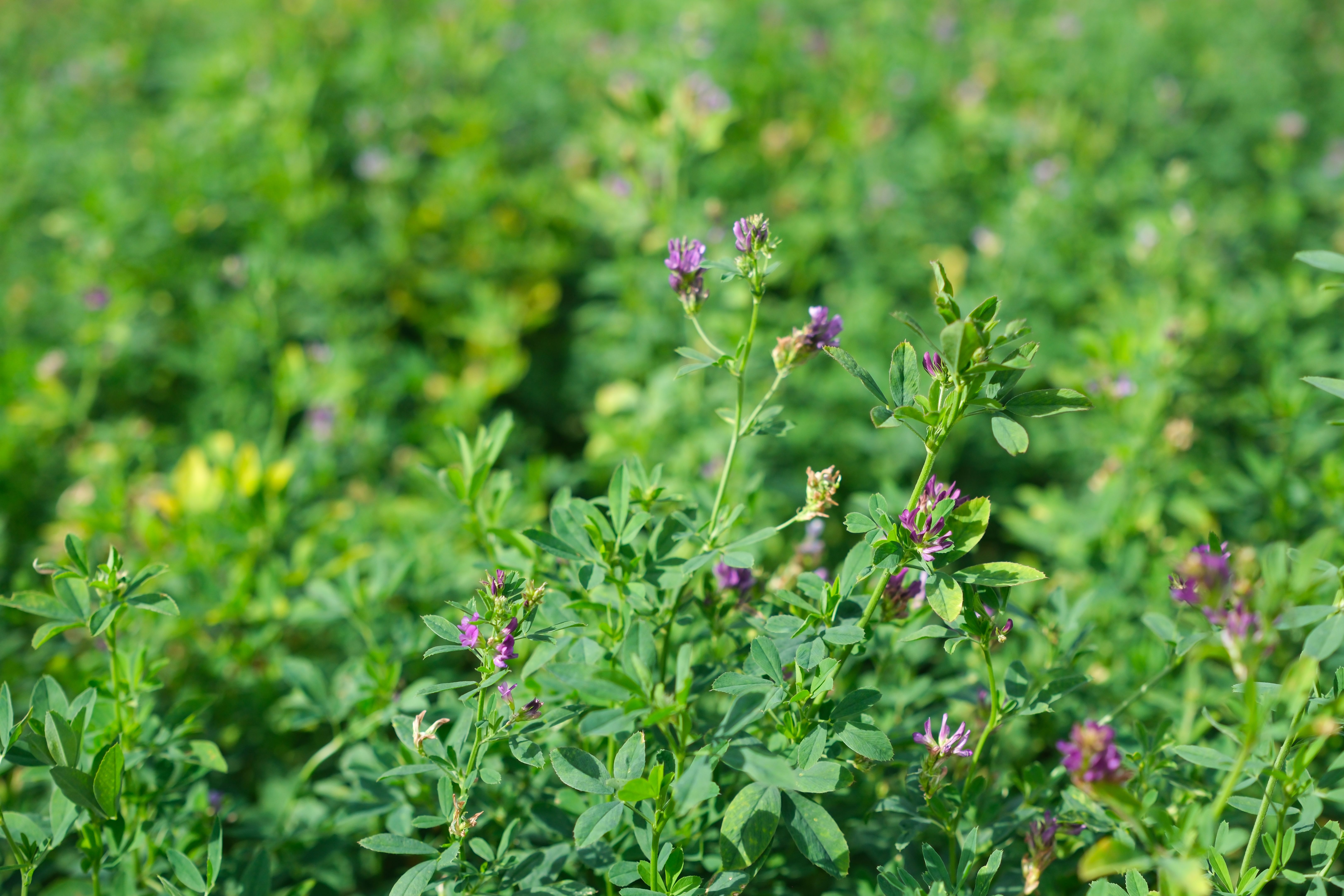
Several factors influence the quality of hay. These include the species of grass or legume, maturity at harvest, and storage conditions. Each of these elements plays a role in the nutritional value and palatability of the hay.
When assessing hay, consider its color, texture, and aroma. Bright green hay typically indicates higher nutrient content, while a pleasant smell suggests proper curing and storage. Avoid hay with mold, dust, or discoloration, as these can be harmful to livestock.
Evaluating Nutrient Content
The nutrient content of hay is a critical factor in its quality. Hay should provide adequate levels of protein, fiber, vitamins, and minerals. Testing hay through a forage analysis can give you precise information about its nutritional composition.
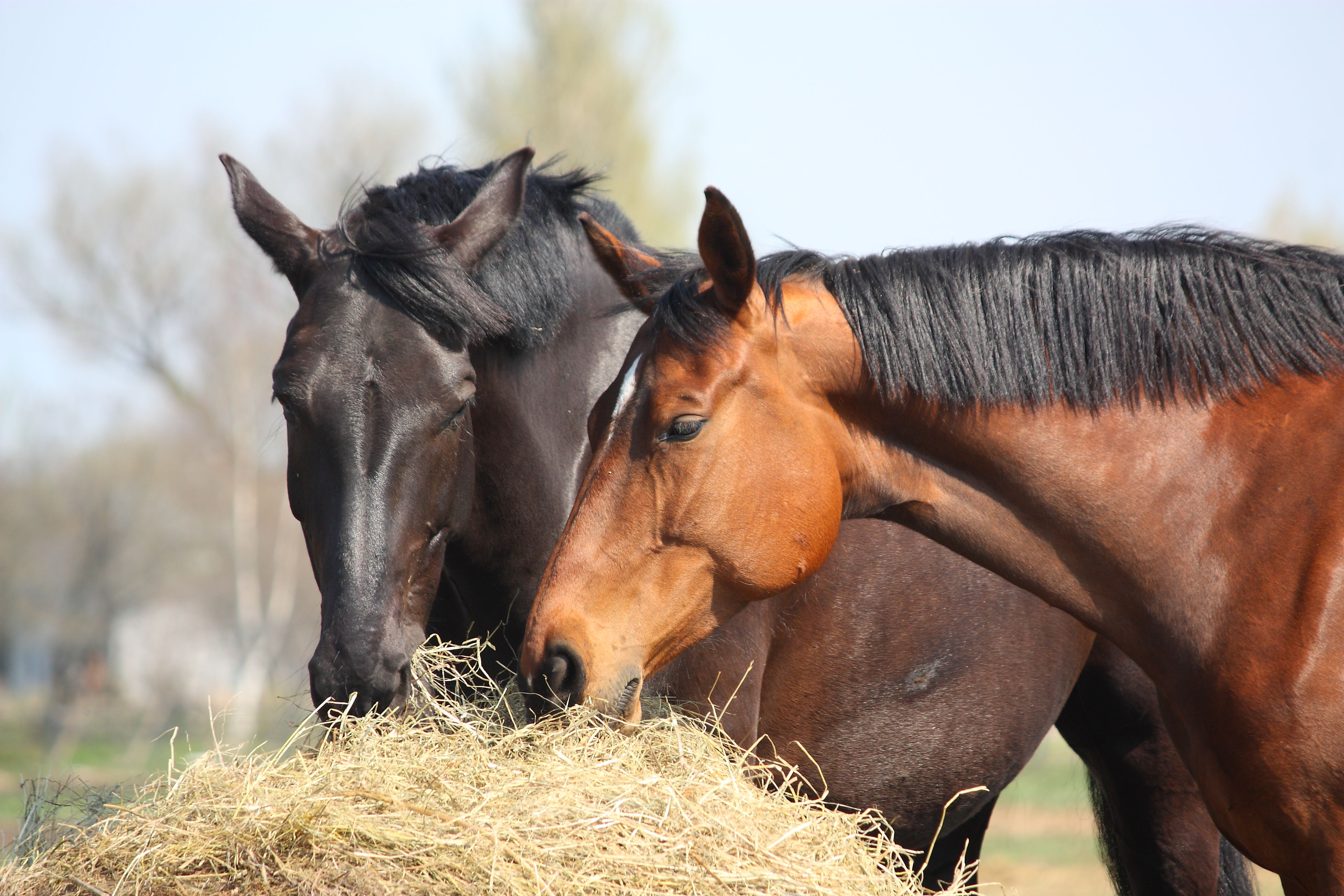
Look for hay with a balanced protein-to-fiber ratio. Alfalfa hay, for example, is known for its high protein content, making it suitable for dairy cattle and young animals. Grass hays, like Timothy or Bermuda, offer a good balance of nutrients for most livestock.
Inspecting for Contaminants
Contaminants in hay can pose serious risks to livestock. Always inspect hay for signs of foreign objects, weeds, and debris. These contaminants not only reduce the nutritional value but can also cause injuries or digestive issues in animals.
Make sure the hay is free from harmful chemicals or pesticides. Organic hay is a safe choice if you want to avoid exposure to synthetic substances.
Proper Storage and Handling
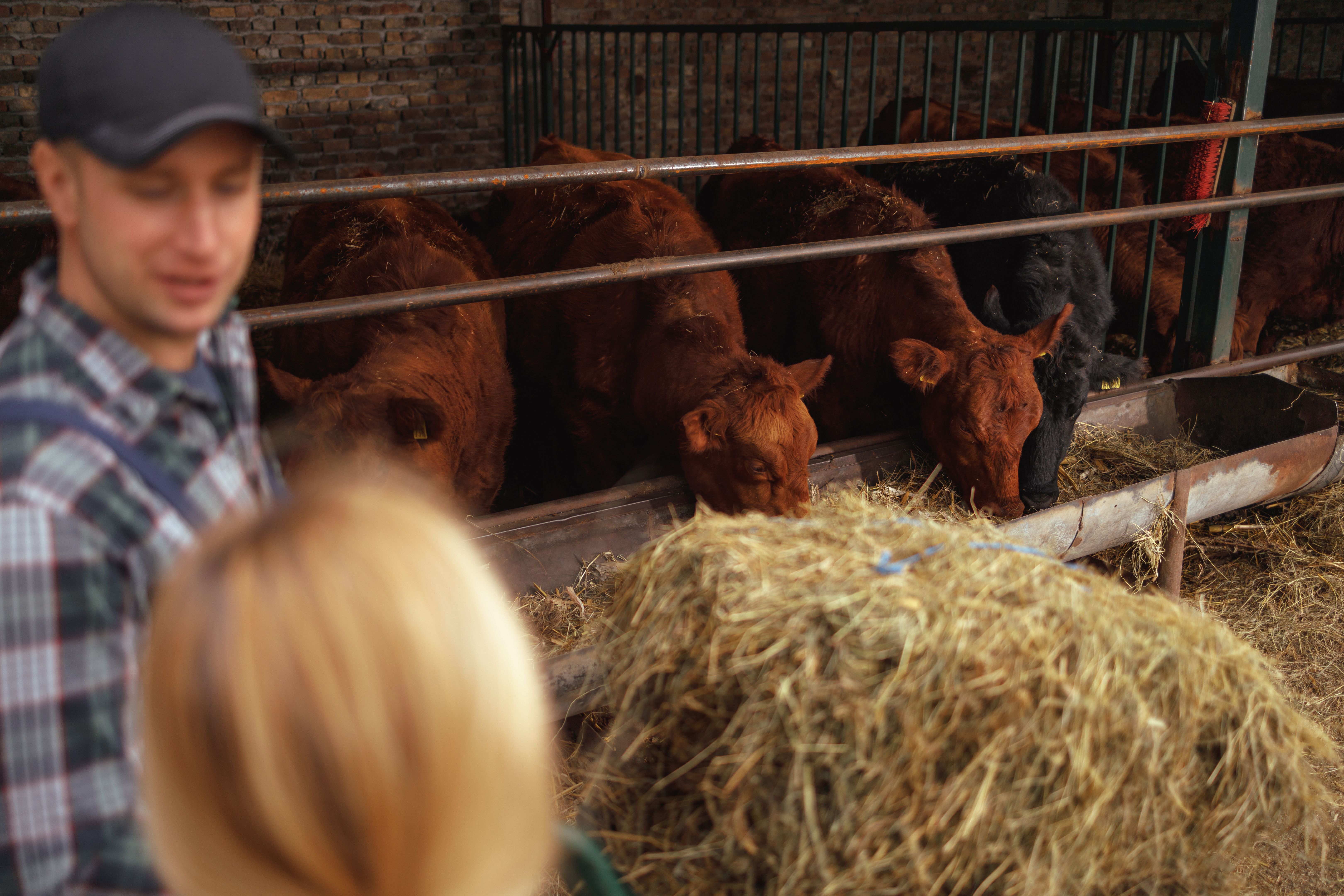
Even top-quality hay can lose its value if not stored and handled correctly. Protect hay from moisture and pests by storing it in a dry, covered area. Proper ventilation is also important to prevent mold growth.
When feeding, ensure that the hay is clean and dry. Rotate your stock to use older hay first, reducing waste and maintaining freshness.
Purchasing from Reputable Suppliers
Finally, buying hay from reputable suppliers ensures you get consistent quality. Look for suppliers with positive reviews and a history of providing high-quality products. Don't hesitate to ask for references or visit their farms to see their operations firsthand.
By following these guidelines, you can select top-quality hay that meets the nutritional needs of your livestock, ensuring their health and productivity remain optimal.