
Local Insights: The Impact of Seasonal Changes on Hay Quality
Understanding Seasonal Changes
Hay quality is significantly influenced by the changing seasons, and understanding these variations is crucial for livestock owners and farmers. Seasonal changes affect the growth, nutrient content, and overall quality of hay, impacting its value as animal feed.
During spring, hay is often lush and green due to optimal growing conditions. This period provides the best chance to harvest hay rich in nutrients, offering a balanced diet for livestock. Farmers usually aim to complete the first cut during this season.

Summer Challenges
The summer months pose unique challenges for hay production. As temperatures rise, hay can become dry and brittle if not properly managed. Farmers must carefully monitor moisture levels to ensure hay does not lose its nutritional value. Overly dry hay can lead to reduced protein content, affecting animal health.
To combat these challenges, many farmers turn to irrigation techniques to maintain moisture content. This proactive approach helps preserve the quality and prevent nutrient degradation.
Autumn Opportunities
Autumn offers a second opportunity for hay harvesting. Cooler temperatures and adequate rainfall can result in a robust second cut. This period is often characterized by hay that is rich in fiber but slightly lower in protein compared to the spring harvest.
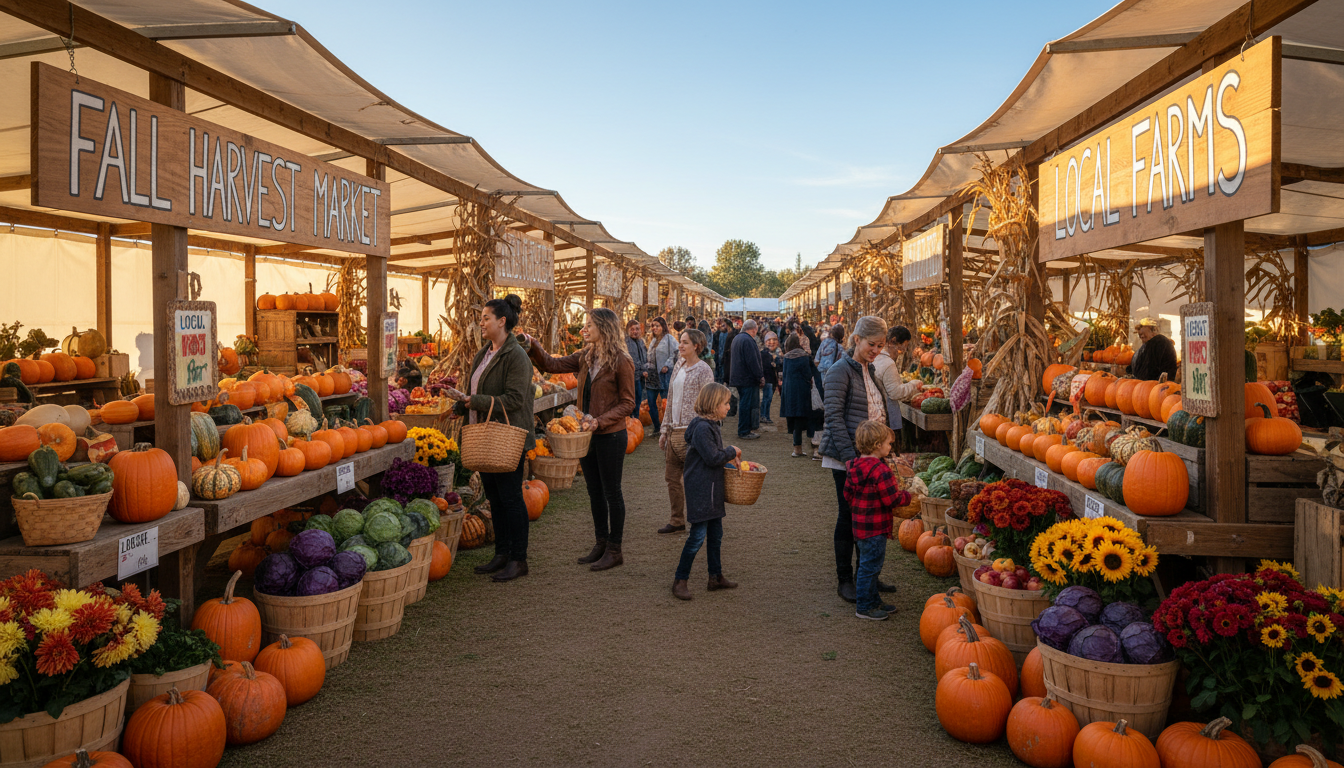
Farmers should focus on timely harvesting during this season to avoid the risk of frost, which can damage crops. Proper timing ensures the hay retains its quality and remains an asset for livestock feeding.
Winter Considerations
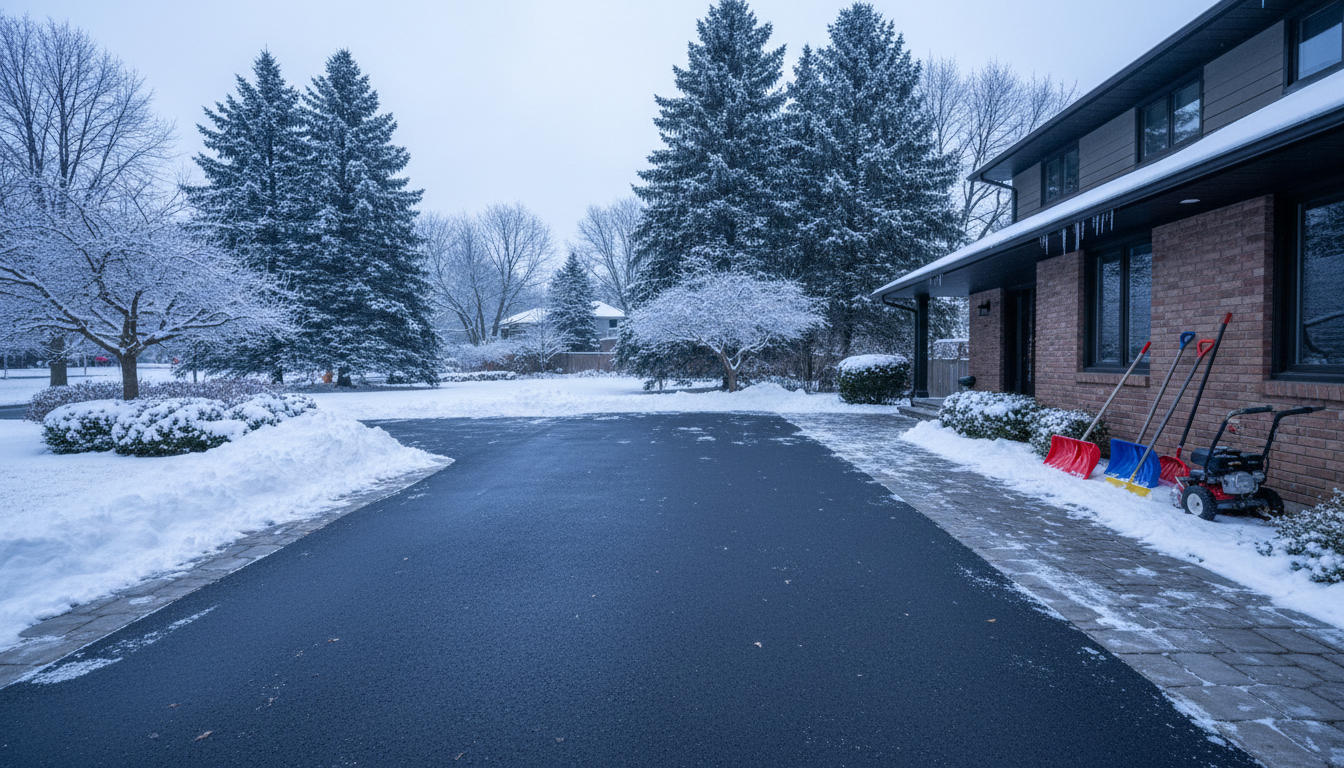
Winter presents a different set of challenges. Cold temperatures and limited daylight can hinder hay drying and storage. It's essential to store hay properly to prevent mold and spoilage, which can render it unusable.
Investing in quality storage solutions, such as barns or covered areas, can protect hay from the elements. Additionally, testing hay quality before feeding it to livestock during winter ensures its nutritional adequacy.
Best Practices for Optimal Hay Quality
To maintain high-quality hay throughout the year, consider the following best practices:
- Monitor weather forecasts to plan harvests around optimal conditions.
- Use modern equipment to ensure precise cutting and baling.
- Regularly test hay for nutrient content to adjust livestock diets accordingly.
By understanding and adapting to the seasonal changes, farmers can ensure that their hay remains a valuable resource, providing essential nutrients to their livestock all year round.