
Organic vs. Conventional Beef: Making the Right Choice
Understanding Organic Beef
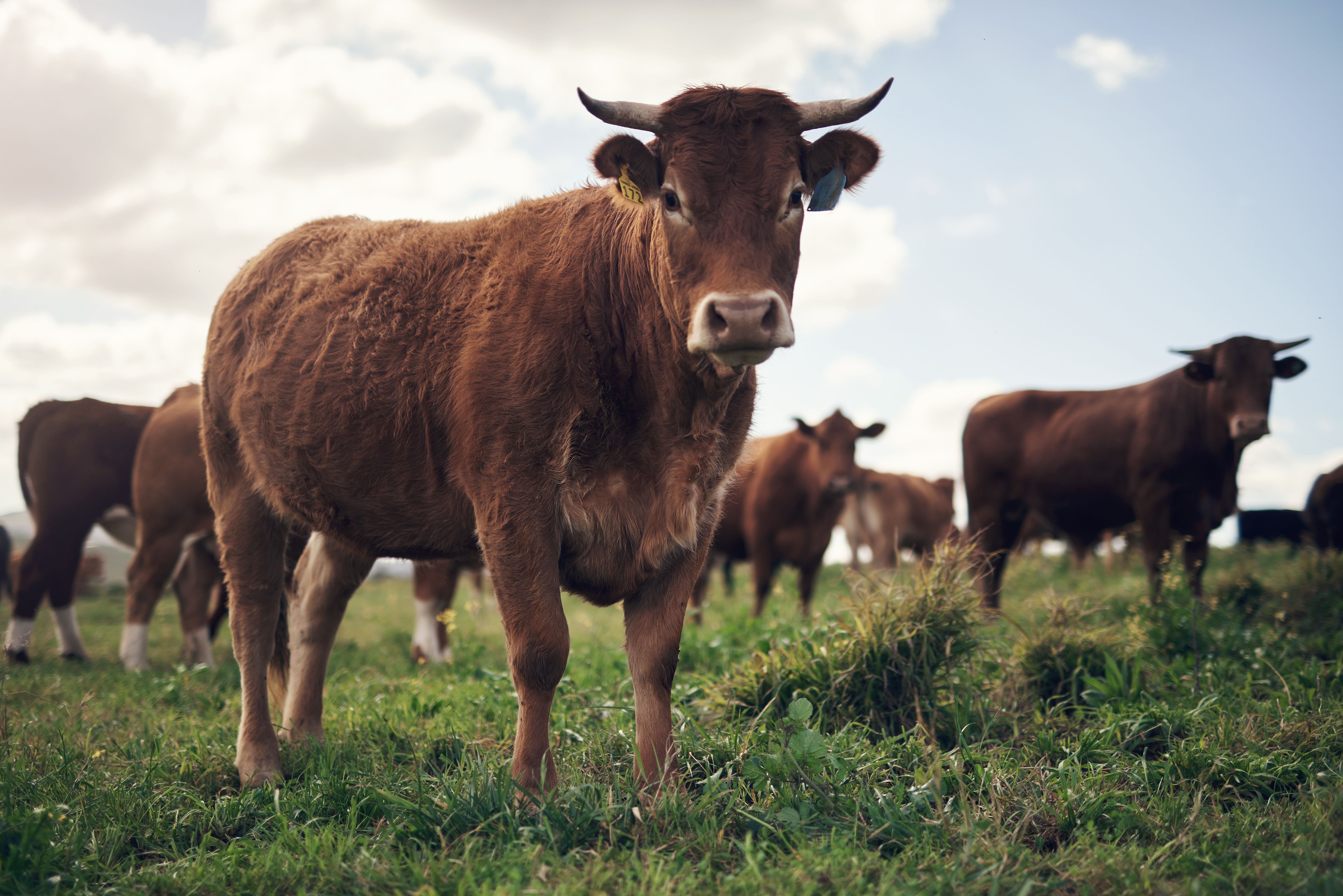
When it comes to choosing between organic and conventional beef, understanding the differences is crucial. Organic beef is produced following strict guidelines that focus on animal welfare and environmental sustainability. Cattle raised for organic beef are fed 100% organic feed, and they are not given antibiotics or growth hormones.
Organic beef is also typically raised on farms that emphasize rotational grazing and sustainable farming practices. This approach not only benefits the animals but also contributes positively to the environment by promoting soil health and reducing pollution.
The Benefits of Choosing Organic
One of the primary benefits of organic beef is that it is free from synthetic additives. This means consumers can enjoy meat that's free from artificial substances, which is often a significant factor for those concerned about health and well-being.
Additionally, organic farming practices help reduce environmental impact. By avoiding synthetic fertilizers and pesticides, organic farms contribute to biodiversity and help protect ecosystems. These practices can lead to healthier soil and water, benefiting the planet as a whole.
Exploring Conventional Beef
Conventional beef, on the other hand, is produced using more intensive farming methods. This can include the use of antibiotics and growth hormones to promote faster growth and prevent disease in crowded conditions.
Conventional farming methods often prioritize efficiency and cost-effectiveness. This can lead to lower prices at the grocery store, making conventional beef a more accessible option for many consumers. However, these methods can also raise concerns about animal welfare and environmental sustainability.

Weighing the Pros and Cons
Choosing between organic and conventional beef often comes down to personal values and priorities. For those who prioritize health and environmental impact, organic beef may be the preferable choice. It offers peace of mind about what is—and isn’t—in their food.
On the other hand, conventional beef offers a cost-effective way to include protein in the diet. While it may not have the same environmental benefits, it remains a staple for many households due to its affordability and availability.
Making an Informed Decision
When deciding between organic and conventional beef, it’s essential to consider factors like budget, health preferences, and environmental concerns. Understanding the differences in production methods can help guide a more informed choice.
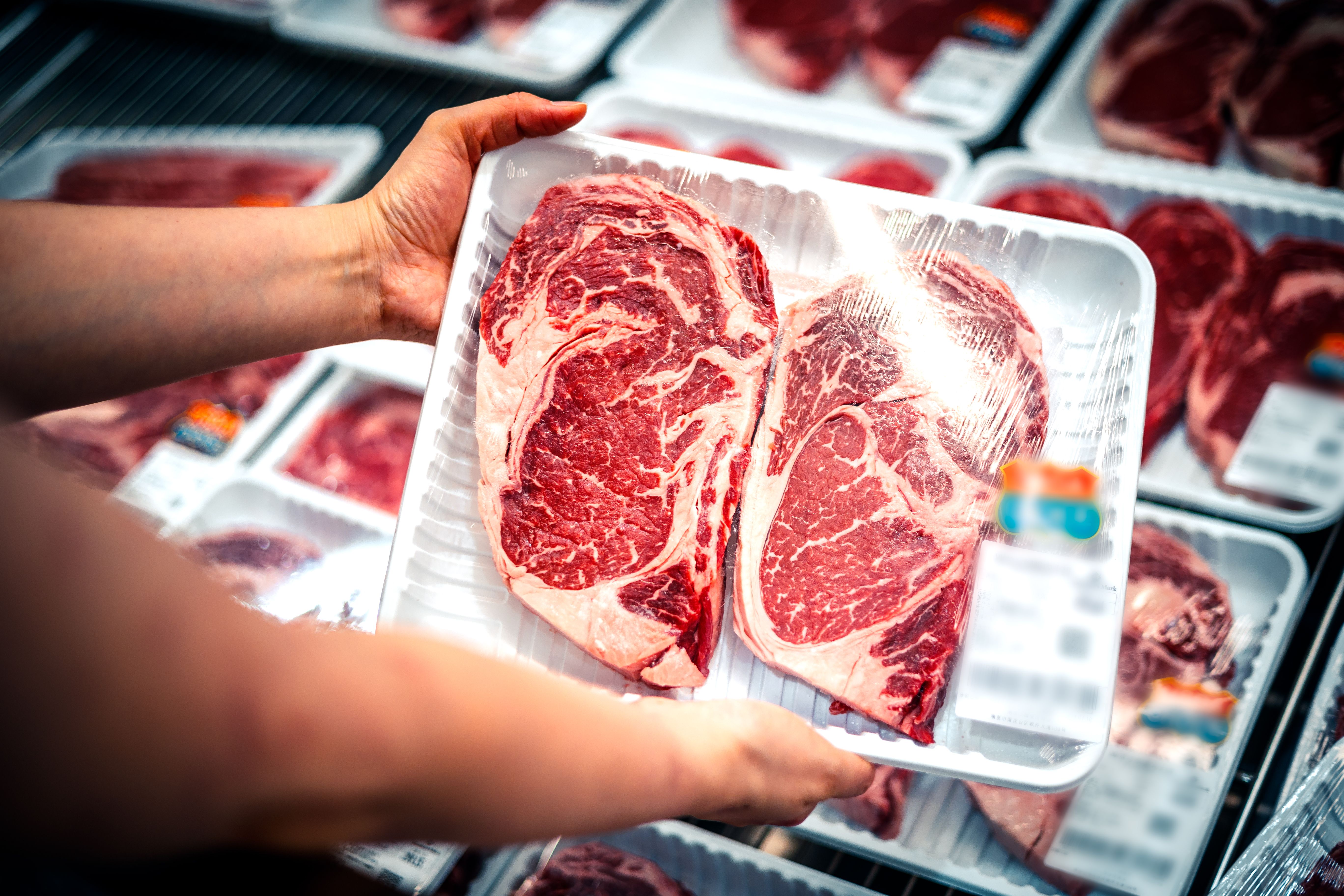
Ultimately, the decision is a personal one, and both types of beef have their place in the market. Whether you choose organic for its health and environmental benefits or conventional for its affordability, being informed is the first step to making the right choice for you and your family.