
Seasonal Hay Buying Guide: Ensuring Quality for Your Herd
Understanding Hay Types
Choosing the right hay for your herd is crucial for maintaining their health and productivity. The main types of hay include alfalfa, timothy, and orchard grass. Each has unique nutritional properties, making it essential to match the hay type to your specific livestock needs. Alfalfa hay is rich in protein and calcium, ideal for lactating animals, while timothy hay is often preferred for horses due to its balanced nutritional profile.
Identifying Quality Hay
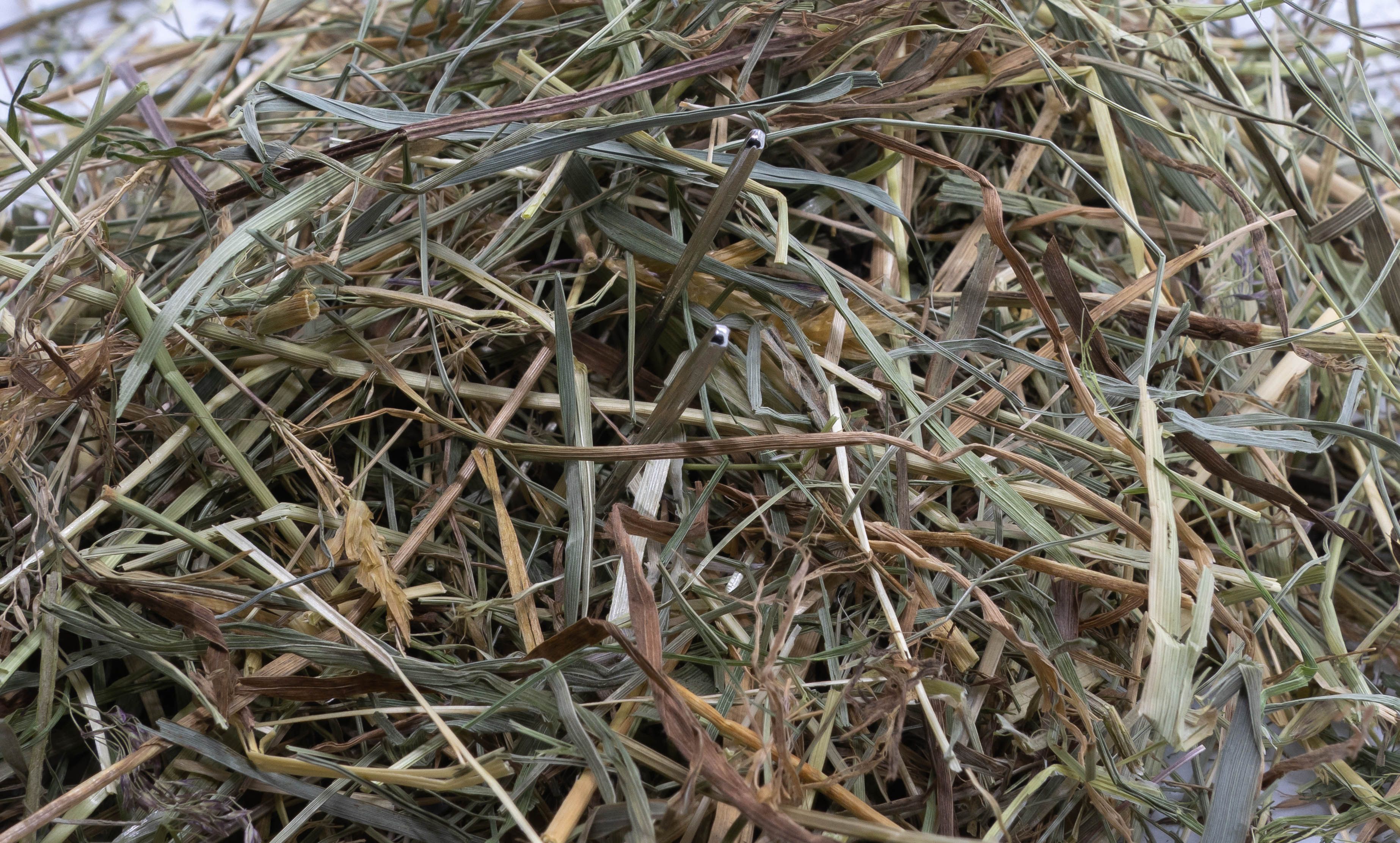
When purchasing hay, quality is paramount. Look for hay that is green and leafy with a fresh, sweet smell. Avoid hay that is brown or has a musty odor, as this can indicate mold or poor storage conditions. Check for foreign materials such as sticks or weeds that can harm your animals.
Another key indicator of quality is the hay's texture. You want hay that is soft rather than coarse. This not only ensures palatability but also aids in digestion. Feel the hay to ensure it is pliable and not overly dry or brittle.
Seasonal Considerations
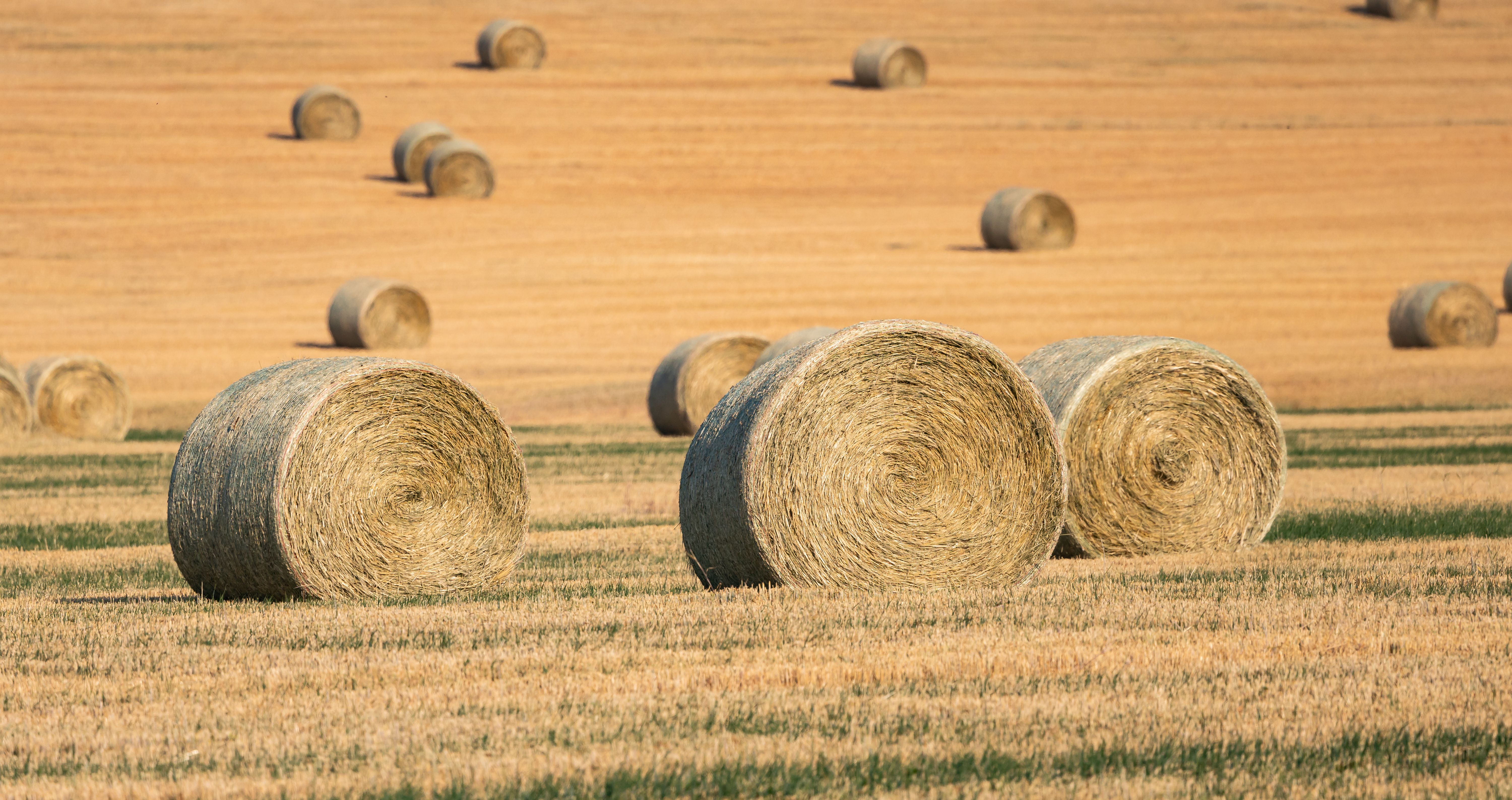
The time of year can significantly impact hay availability and quality. During late spring and early summer, fresh hay is abundant and typically of high quality. As the season progresses, supply may dwindle, and prices can rise. Planning ahead and purchasing hay in advance can mitigate these challenges.
Storing Your Hay
Proper storage is essential to maintain hay quality throughout the year. Store hay in a dry, covered area to prevent moisture and mold growth. Consider using pallets to keep bales off the ground, allowing air circulation and reducing the risk of dampness.
Stack hay bales strategically to ensure stability and ease of access. Regularly check your hay supply for signs of spoilage, and rotate older bales to the front to ensure they are used first.
Evaluating Nutritional Content
Nutritional content is a critical factor when selecting hay. Conducting a forage analysis can provide detailed information about the protein, fiber, and mineral content of your hay. This data helps in formulating a balanced diet for your herd.
Buying in Bulk
Purchasing hay in bulk can be more cost-effective, but it requires careful planning. Ensure you have adequate storage space and the means to transport large quantities. Establish a relationship with a reliable hay supplier to ensure consistent quality and supply.
Additionally, consider joining a cooperative or group purchasing program to take advantage of bulk pricing and shared resources.
Conclusion
Investing time in selecting and storing high-quality hay pays dividends in the health and productivity of your herd. By understanding the different types of hay, recognizing quality indicators, and planning for seasonal variations, you can ensure that your livestock has access to the best possible nutrition year-round.