
Seasonal Hay Buying Guide: How to Choose the Right Hay for Your Needs
Understanding Your Hay Needs
Choosing the right hay for your livestock involves understanding your specific needs. Consider the type of animals you are feeding, their age, and their nutritional requirements. Cattle, horses, and goats all have different dietary needs, which will influence your hay selection.
For horses, high-quality grass hay or alfalfa is often preferred. Cattle, on the other hand, may thrive on hay with a higher fiber content. Knowing the nutritional requirements of your animals is the first step in making the right choice.
Types of Hay Available
Grass Hay
Grass hay, such as timothy or orchard grass, is a popular choice for many types of livestock. It is typically lower in protein and calcium, making it a suitable option for mature horses and other animals that do not require high energy intake.
Legume Hay
Legume hay, including alfalfa and clover, is richer in protein and calcium. This type of hay is ideal for young, growing animals or lactating females that require additional nutrients. However, it may not be suitable for all animals due to its higher calorie content.
Factors to Consider When Buying Hay
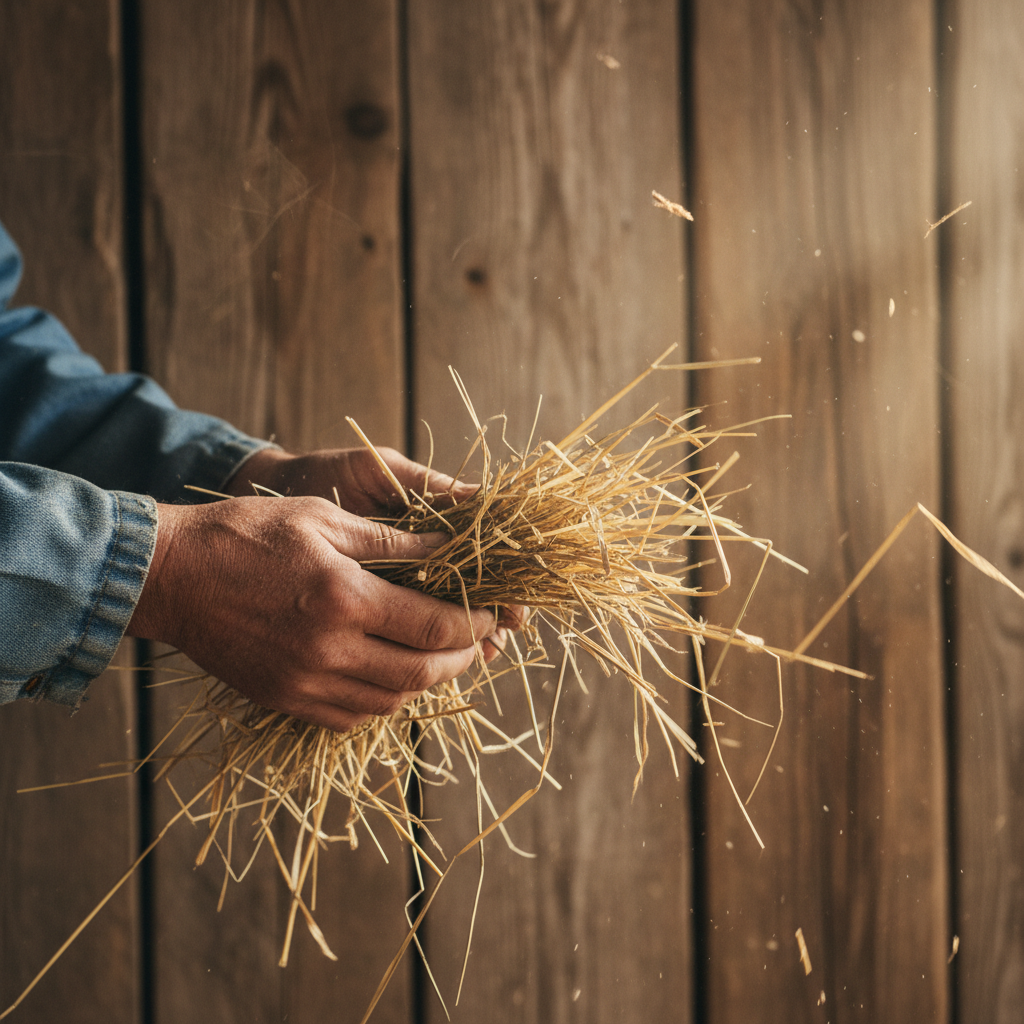
When purchasing hay, consider its texture, color, and smell. High-quality hay should be green and leafy, with a fresh aroma. Avoid hay that is dusty, moldy, or contains foreign objects, as these can be harmful to your animals.
Another factor is the harvest time. Hay harvested at the right stage of maturity will have the best nutritional value. Early-cut hay tends to have more nutrients, while late-cut hay may lack the necessary nutrition for some animals.

Storing Hay Properly
Proper storage is crucial to maintaining the quality of your hay. It should be stored in a dry, well-ventilated area to prevent mold and spoilage. Using pallets or tarps can help keep the hay off the ground and protect it from moisture.
Consider stacking the hay in a way that allows for airflow between bales. This will help maintain its quality over time and ensure that your livestock receives the best possible nutrition.
Buying Hay in Different Seasons
The time of year can affect hay availability and price. Buying in bulk during peak season may result in cost savings. However, make sure you have adequate storage space before purchasing large quantities.
During off-seasons, hay may be more expensive and harder to find. Planning ahead and maintaining a good relationship with your supplier can help ensure you have a consistent supply throughout the year.
Conclusion
Choosing the right hay involves understanding your livestock's nutritional needs and considering factors like hay type, quality, and storage. By taking these elements into account, you can provide the best possible feed for your animals, ensuring their health and productivity.
Remember, high-quality hay is an investment in your livestock's well-being. Take the time to make informed decisions, and your efforts will be rewarded with healthy and thriving animals.