
Seasonal Hay Management: Preparing Your Farm for Optimal Yield
Understanding Seasonal Hay Management
Effective hay management is crucial for ensuring your farm's productivity, especially during the changing seasons. With proper preparation, you can maximize your hay yield and maintain the quality of your forage. This involves a strategic approach to planting, maintaining, and harvesting your hay.
Whether you are a seasoned farmer or new to the practice, understanding the nuances of seasonal hay management can make a significant difference in your farm’s success. In this post, we'll explore essential strategies to prepare your farm for optimal hay yield.
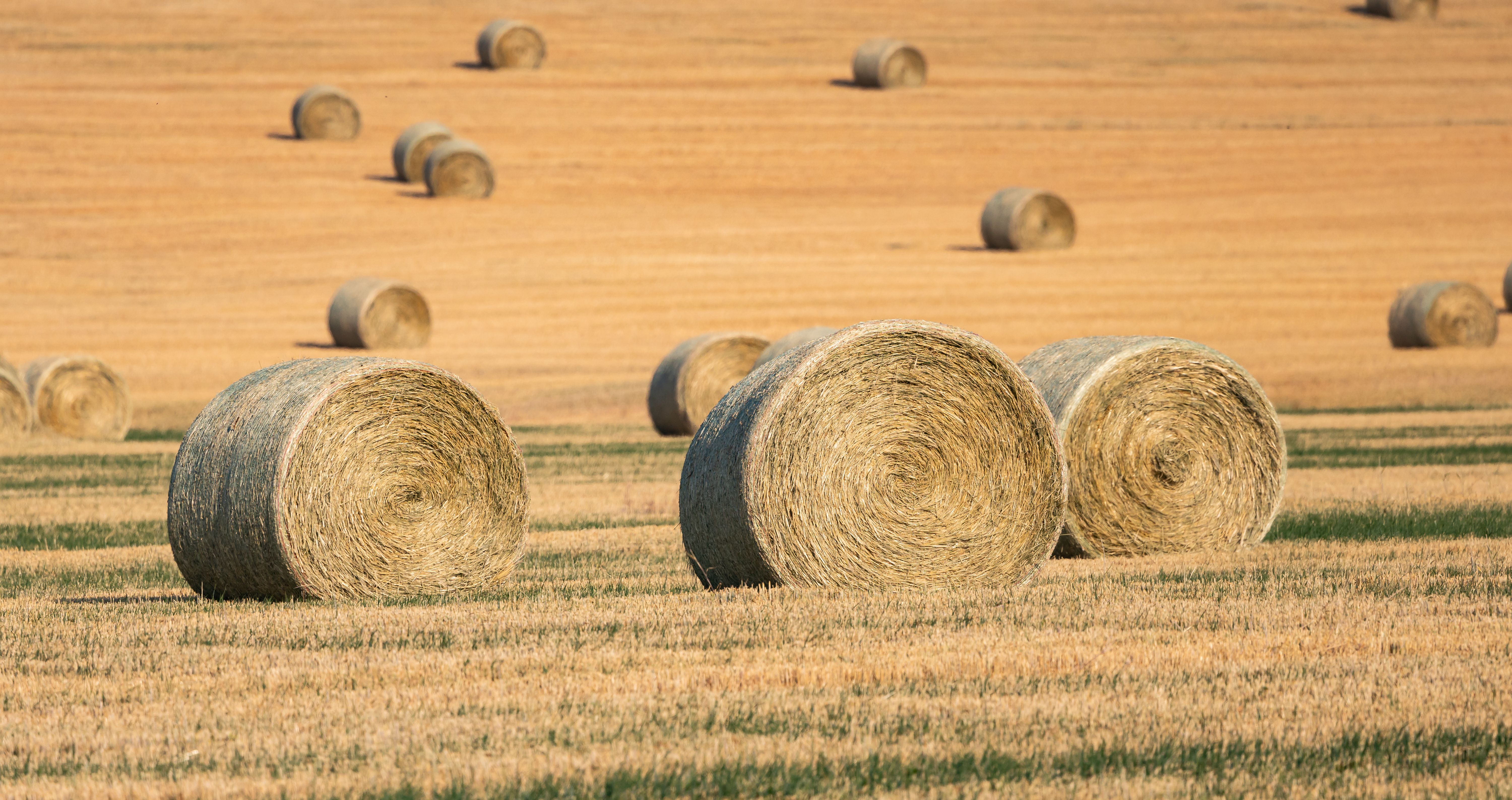
Soil Preparation and Fertilization
Before planting, it is vital to assess and prepare your soil. Conducting a soil test will help you determine the nutrient levels and pH balance. Based on the results, you can decide whether to add lime to adjust the pH or apply specific fertilizers to boost nutrient levels.
Fertilization plays a key role in enhancing hay growth. Nitrogen, phosphorus, and potassium are essential nutrients that should be present in adequate amounts. Applying these fertilizers at the right time can significantly impact the quality and quantity of your hay.
Choosing the Right Hay Variety
Selecting the appropriate hay variety is crucial for seasonal management. Consider factors such as climate, soil type, and intended use of the hay. Common varieties include alfalfa, clover, and timothy. Each has its own growth requirements and benefits, so choose the ones that best suit your farm’s conditions.
Alfalfa, for instance, is known for its high protein content and is excellent for feeding livestock. Timothy hay, on the other hand, is often preferred for horses due to its lower protein content and high fiber. Understanding these differences will help you make informed decisions.
Timing the Harvest
The timing of your hay harvest can greatly impact its nutritional value. Harvesting too early or too late can result in reduced quality. Monitor the growth stages and weather conditions to determine the optimal time for cutting.
- Early Bloom: Ideal for high-quality hay with maximum nutritional content.
- Mid-Bloom: Balances yield and nutrition, suitable for most livestock.
- Late Bloom: Higher yield but reduced nutritional quality, often used for bedding.
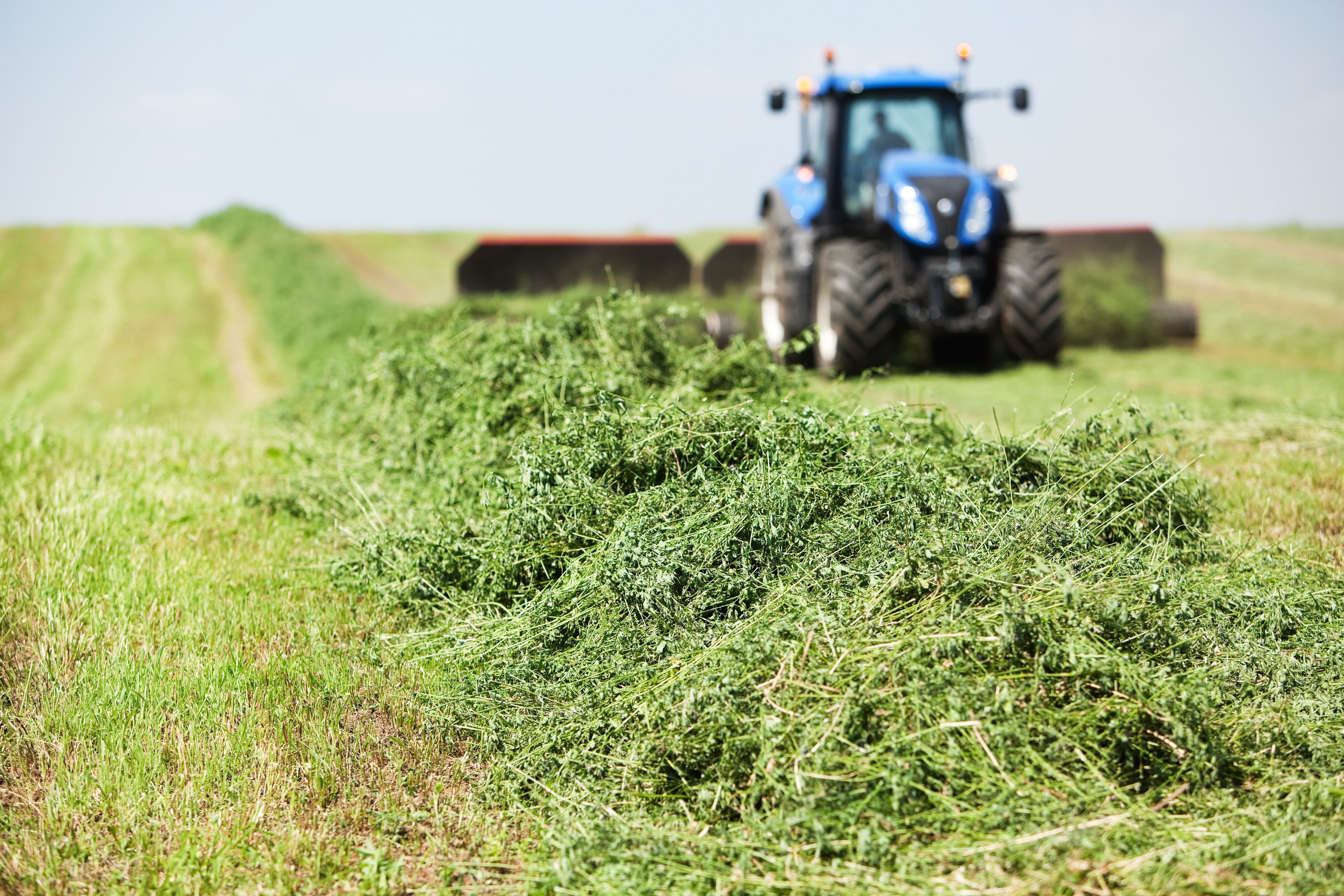
Proper Storage Techniques
Once harvested, proper storage is essential to maintain hay quality. Ensure the hay is completely dry before storing to prevent mold growth. Use well-ventilated barns or specialized hay covers to protect from moisture and pests.
Stacking the bales correctly is also important. Allow for air circulation and avoid stacking too high to prevent excessive pressure that could lead to spoilage. Regularly inspect stored hay for any signs of damage.
Conclusion
Implementing these seasonal hay management strategies will help you prepare your farm for optimal yield. By focusing on soil preparation, selecting the right hay variety, timing your harvest, and ensuring proper storage, you can enhance the quality and productivity of your hay.
Remember, each farm is unique, so tailor these strategies to fit your specific needs and conditions. With careful planning and execution, you can achieve a successful hay season year after year.