
The Ultimate Guide to Buying and Storing Quality Hay in Texas
Understanding the Importance of Quality Hay
When it comes to livestock farming in Texas, ensuring a consistent supply of quality hay is crucial. Hay serves as a primary source of nutrition, especially during the drier months when pasture grass is scarce. Choosing the right hay can significantly impact the health and productivity of your animals.
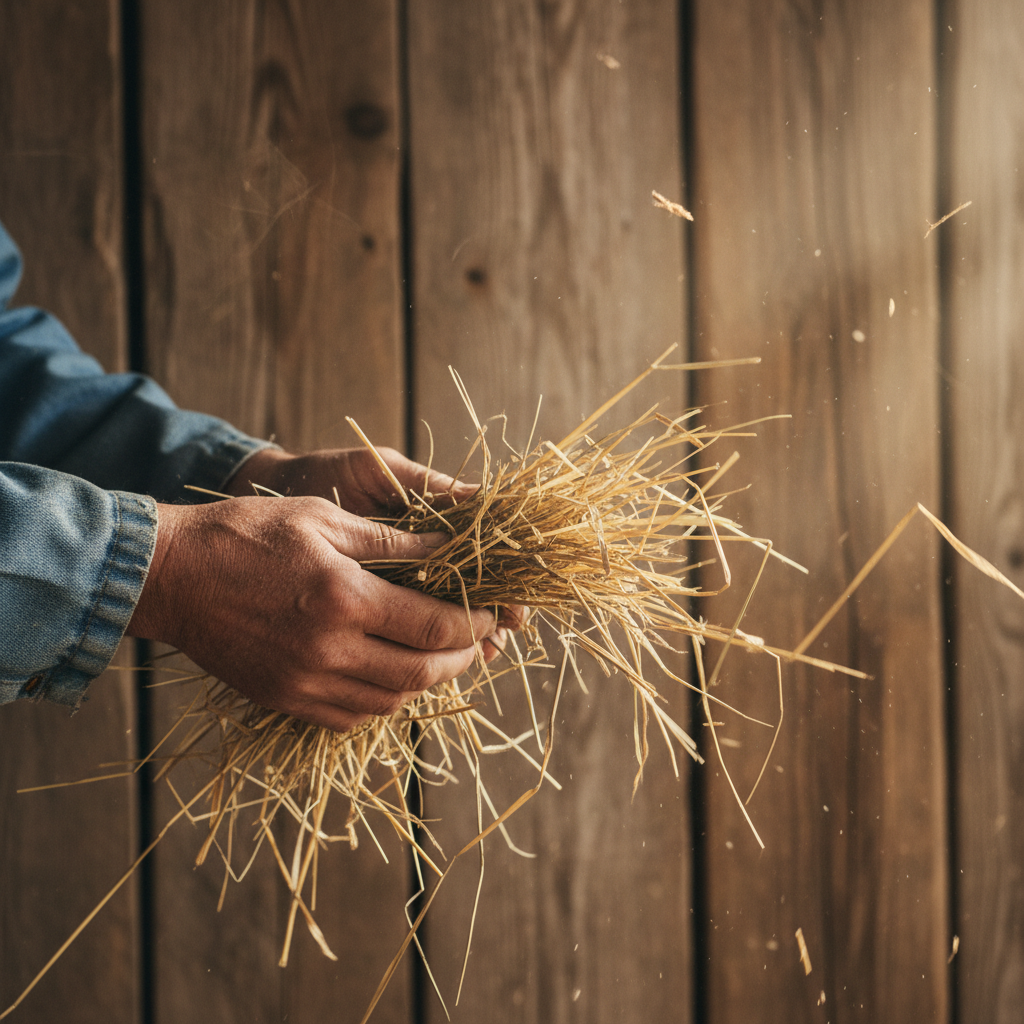
Not all hay is created equal. The nutritional value can vary based on factors such as the type of grass, the maturity at harvest, and the storage conditions. Identifying quality hay involves understanding these factors and knowing what to look for when making a purchase.
Types of Hay Commonly Found in Texas
Texas farmers have access to various types of hay, each with its own benefits. Some popular options include:
- Bermudagrass Hay: Known for its fine texture and high protein content.
- Alfalfa Hay: Rich in nutrients and ideal for dairy cattle and horses.
- Timothy Hay: Preferred for its palatability and balance of nutrients.
Understanding the specific needs of your livestock will guide you in choosing the most suitable hay type.
Key Factors to Consider When Buying Hay
Purchasing hay involves more than just selecting a type. Here are some important factors to keep in mind:
Moisture Content
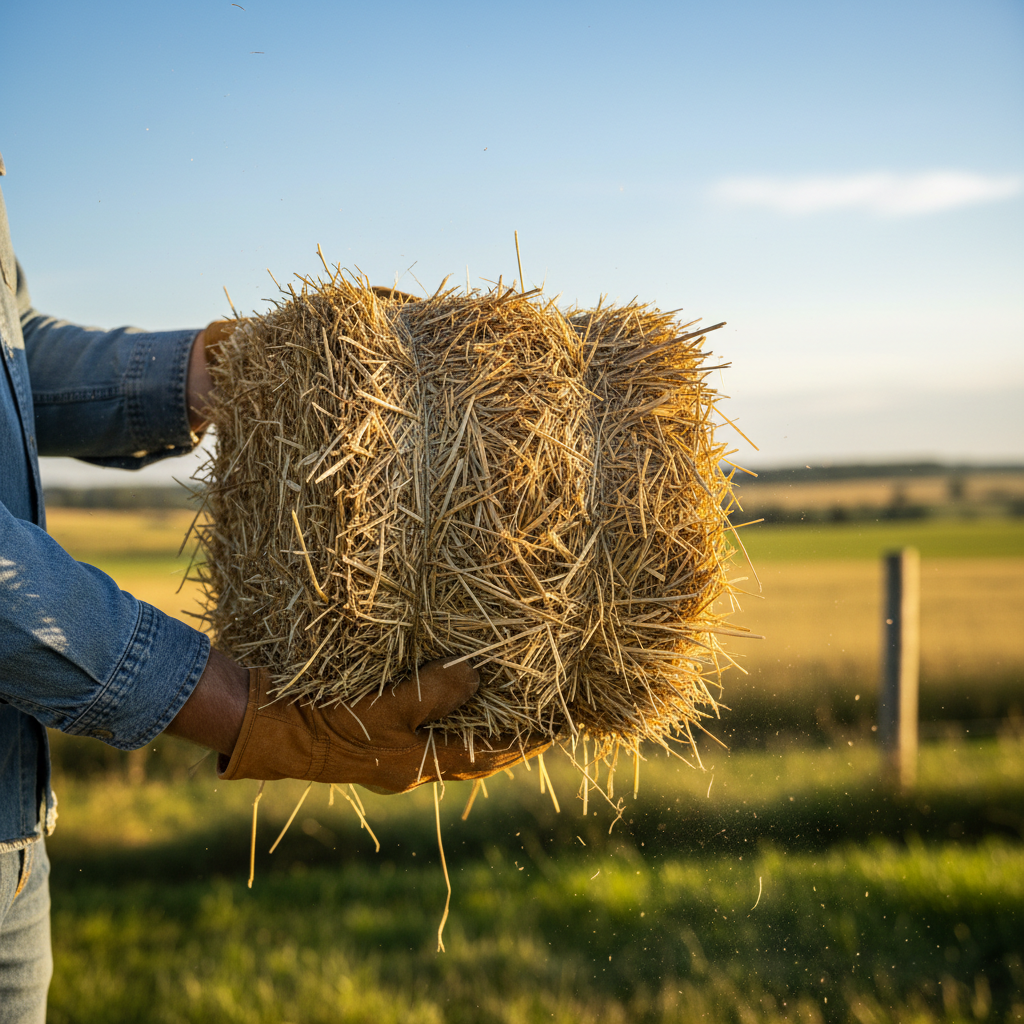
Hay should have a moisture content of around 15-20% to prevent mold growth. Hay that is too wet can lead to spoilage, while overly dry hay may lose its nutritional value.
Color and Aroma
Quality hay is typically a vibrant green and has a fresh, sweet smell. Avoid hay that appears brown or has a musty odor, as these are signs of poor quality or improper storage.
Storing Hay Properly
Proper storage is essential to maintain the quality of hay over time. Follow these tips to ensure your hay stays fresh and nutritious:

Choose the Right Location
Store hay in a dry, well-ventilated area. Keeping hay off the ground using pallets or a concrete floor can help prevent moisture absorption from the soil.
Protect from the Elements
Use tarps or a dedicated hay barn to shield your hay from rain and direct sunlight. Exposure to the elements can degrade the nutritional quality of the hay.
Conclusion: Investing in Quality Hay
Purchasing and storing quality hay in Texas is an investment in the health and productivity of your livestock. By understanding the different types of hay and the factors that affect quality, you can make informed decisions that benefit your farm operations. Remember, the right hay not only supports animal health but also contributes to the overall success of your farming endeavors.