Understanding the Difference: Wagyu Beef vs. Commercial Beef
Introduction to Wagyu and Commercial Beef
When it comes to choosing beef, many consumers find themselves faced with a variety of options. Two of the most talked-about types are Wagyu beef and commercial beef. Understanding the differences between these two can help you make an informed decision when selecting your next meal.
What is Wagyu Beef?
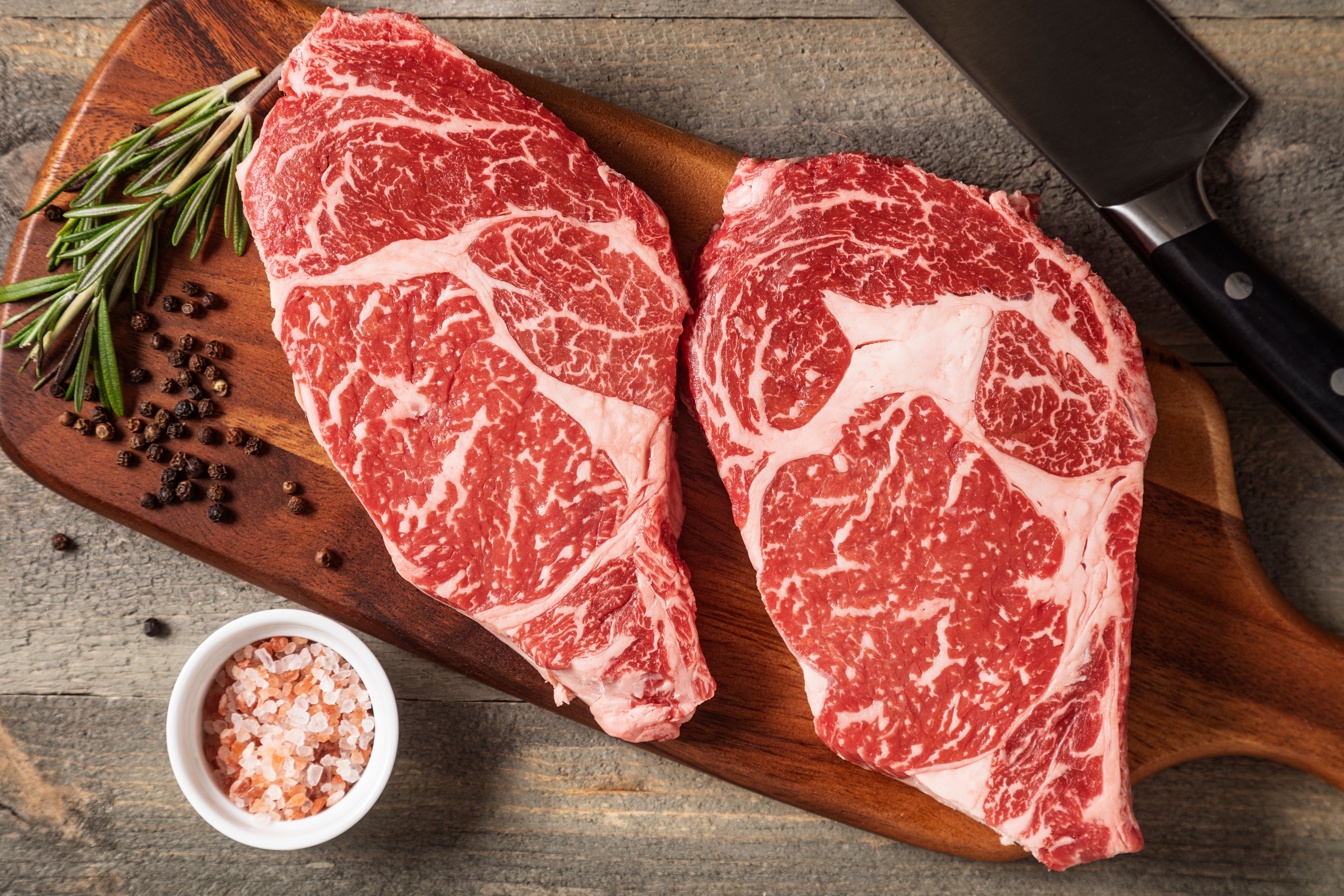
Wagyu beef originates from Japan and is renowned for its exceptional marbling, tenderness, and flavor. The term "Wagyu" literally means "Japanese cow." These cattle are raised with meticulous care, often in smaller herds, ensuring quality over quantity. The result is a beef that's not only delicious but also a luxury item worldwide.
Commercial Beef Overview
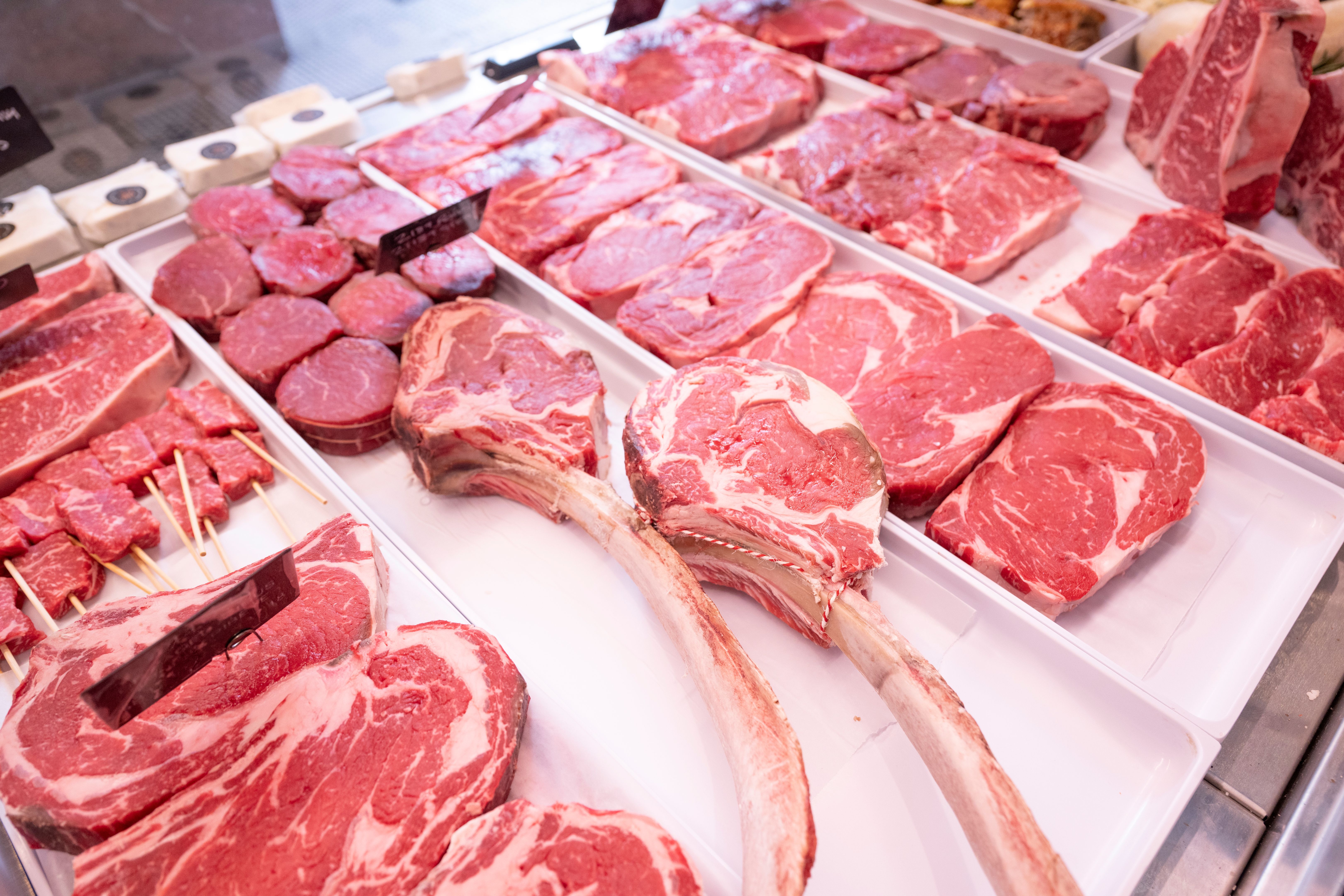
Commercial beef, on the other hand, is widely produced and consumed across the globe. It comes from various breeds of cattle and is typically raised on a large scale. While it may not boast the same level of marbling as Wagyu, commercial beef is an accessible and versatile option for many consumers.
Key Differences in Production
The production methods of Wagyu and commercial beef differ significantly. Wagyu cattle often have specific diets that include rice straw and other high-energy feed, contributing to their unique flavor profile. In contrast, commercial cattle may be raised on grain or grass and are often subjected to faster growth processes to meet high demand.
Flavor and Texture
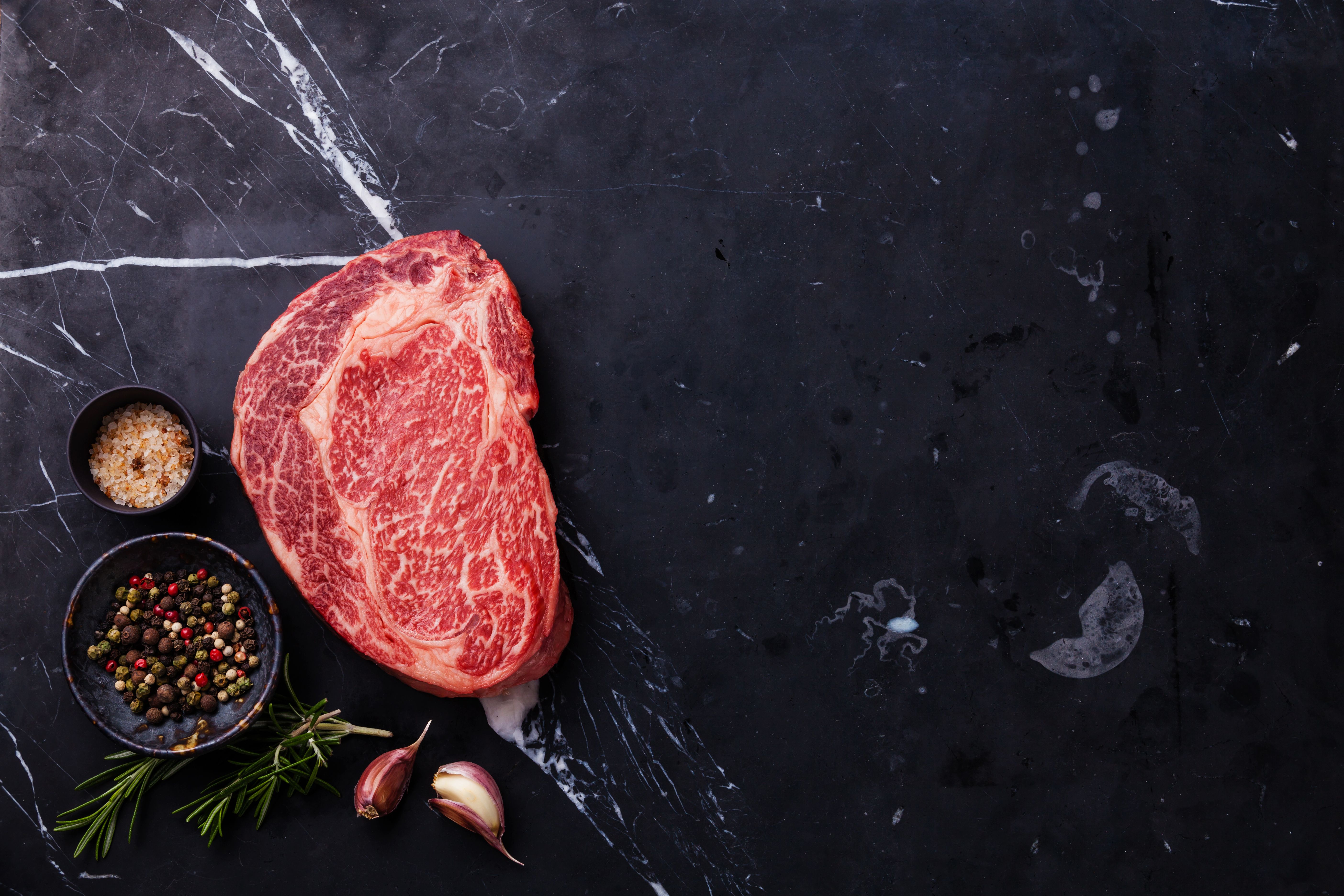
One of the most defining characteristics of Wagyu beef is its intense marbling, which leads to a rich, buttery flavor and melt-in-the-mouth texture. Commercial beef, while flavorful in its own right, tends to have a more straightforward beef taste and firmer texture, making it suitable for a wide range of culinary applications.
Nutritional Considerations
Wagyu beef is known for its higher levels of monounsaturated fats, which can be beneficial for heart health. However, this also means that it is richer in calories. Commercial beef varies in fat content depending on the cut and diet of the cattle, offering both lean and fattier options.
Price and Availability
Due to its meticulous production process and limited availability, Wagyu beef commands a significantly higher price than commercial beef. It is often considered a delicacy and is typically reserved for special occasions. In contrast, commercial beef is widely available and more budget-friendly, making it a staple in everyday meals for many households.
Conclusion
In summary, the choice between Wagyu beef and commercial beef boils down to preference and occasion. If you seek an indulgent and unique dining experience, Wagyu is an excellent choice. However, for everyday cooking, commercial beef offers diverse options that cater to a wide range of tastes and budgets.